
Liquid Facelift in Bangkok
Address volume loss and facial sagging with a liquid facelift that restores balance and natural-looking support.
2.1K+ 5-Star Reviews

As we age, changes in the face are rarely caused by the skin alone. Volume loss, reduced collagen, and gradual bone changes affect how the face holds its shape.
Over time, this can lead to soft tissue descent, less definition through the cheeks and jawline, and lines that appear deeper.
A liquid facelift is a non-surgical approach that addresses these changes by restoring support and balance using a customized combination of dermal fillers, biostimulators, and wrinkle relaxers.
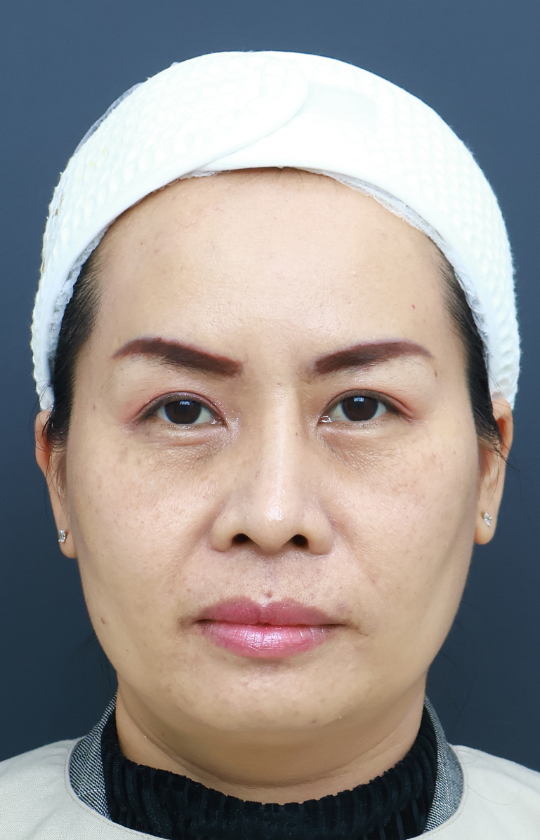
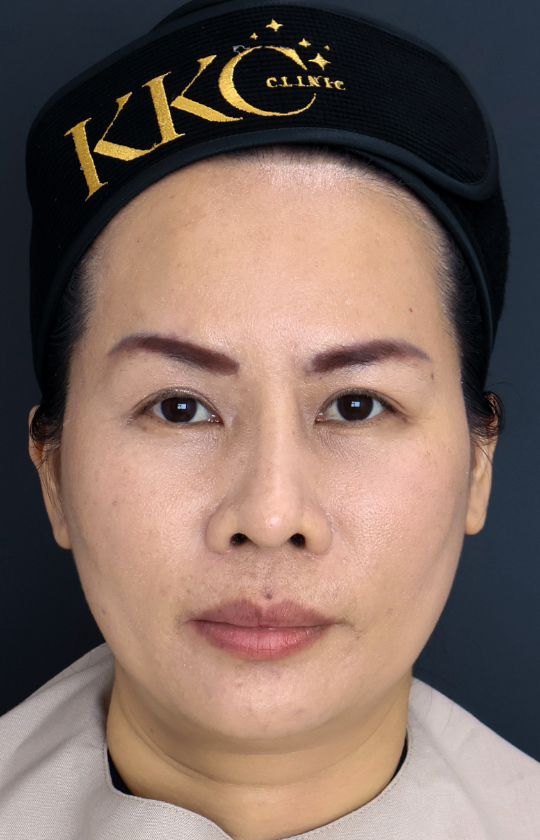
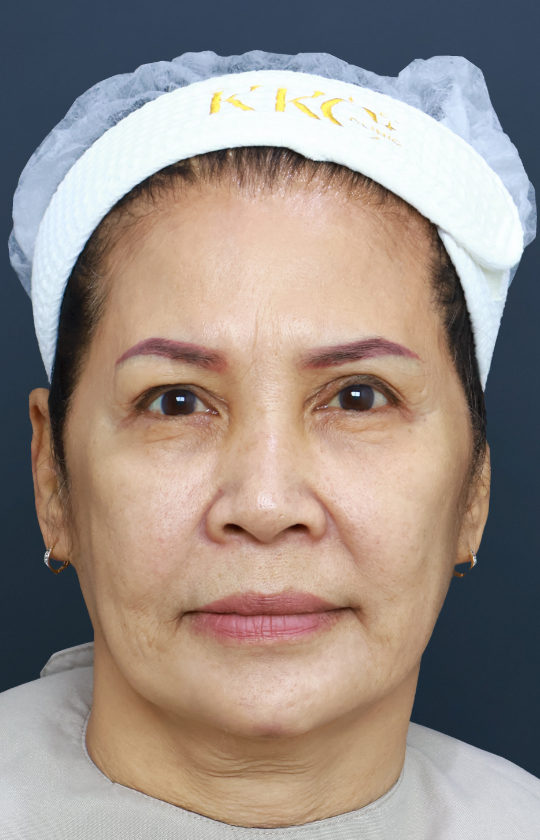
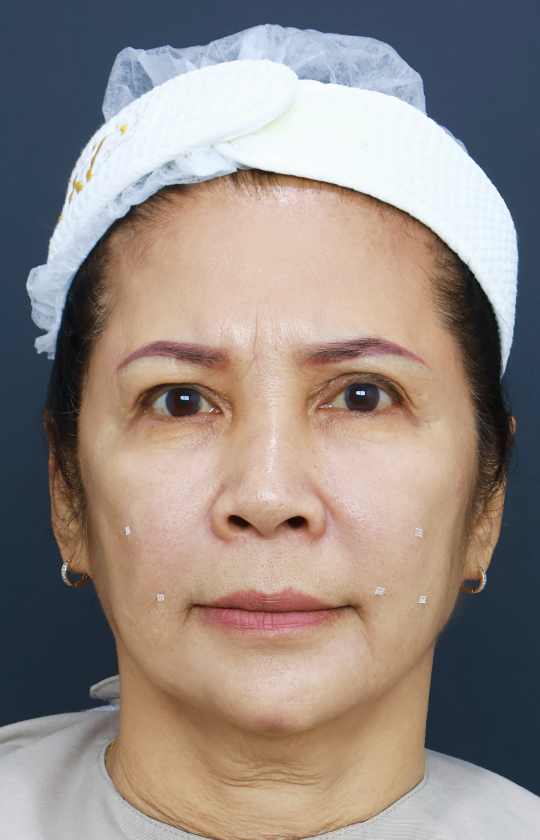
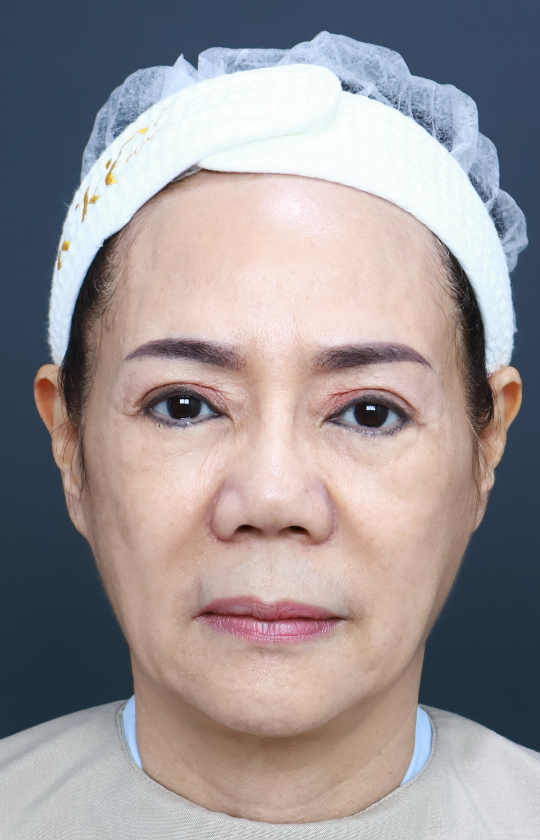
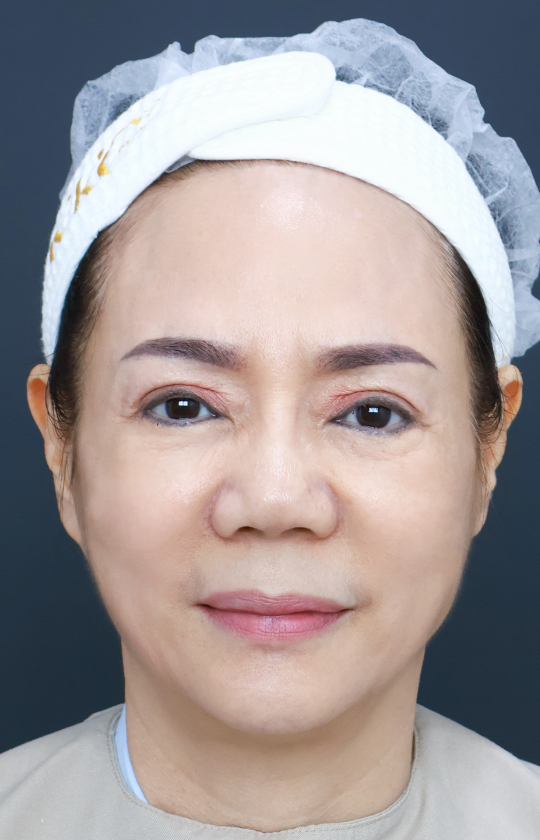
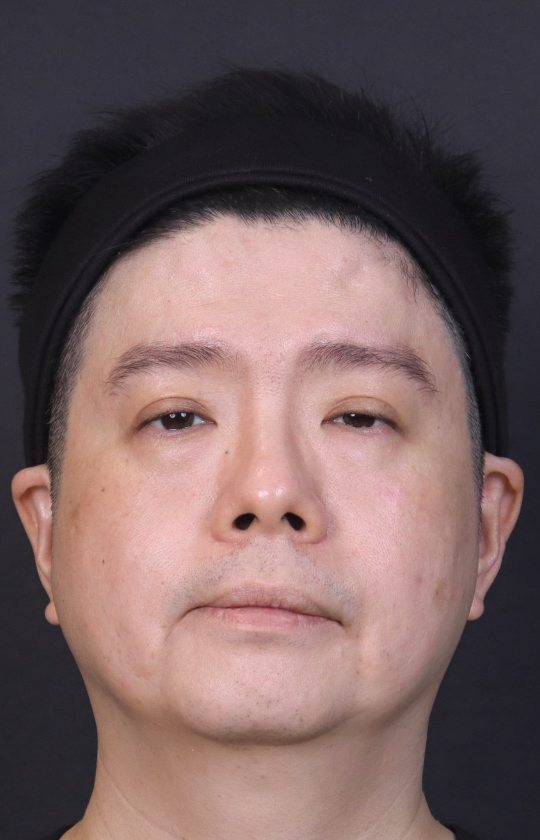
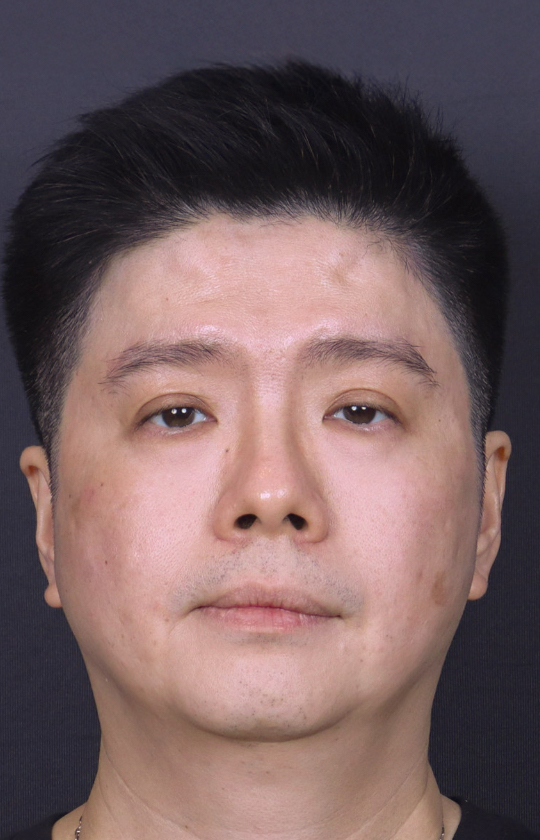
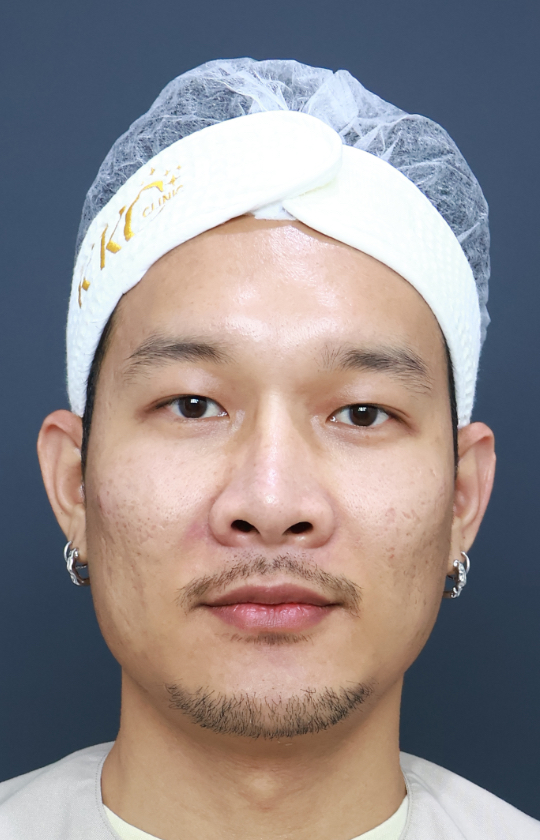
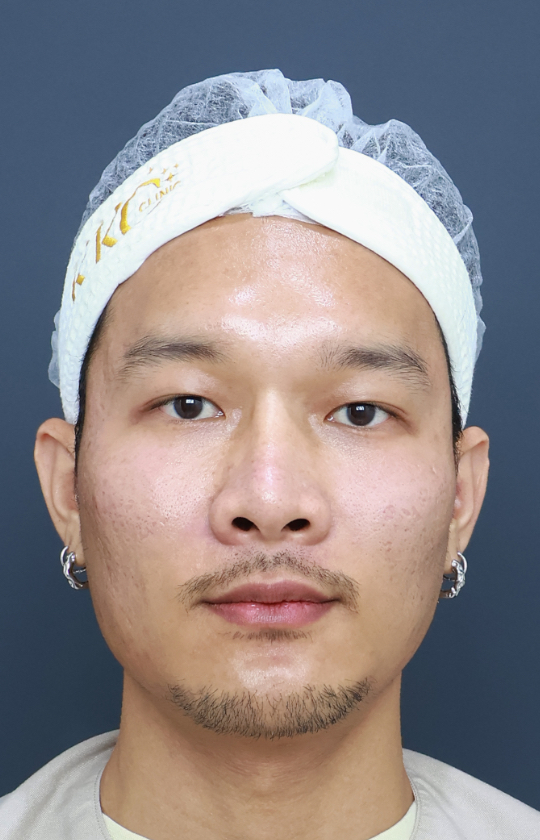
Results may vary with each individual
What Is a Liquid Facelift?
A liquid facelift works by restoring support beneath the skin rather than tightening or removing tissue. The goal is to improve how the face is supported so that features appear more balanced and naturally lifted.
Dermal fillers or biostimulators are placed in key structural areas to replace lost volume, while wrinkle relaxers reduce muscle activity that contributes to expression lines.
Used together, these treatments improve facial proportions and soften lines by changing how the skin drapes over the underlying structure.
Areas Commonly Addressed by a Liquid Facelift
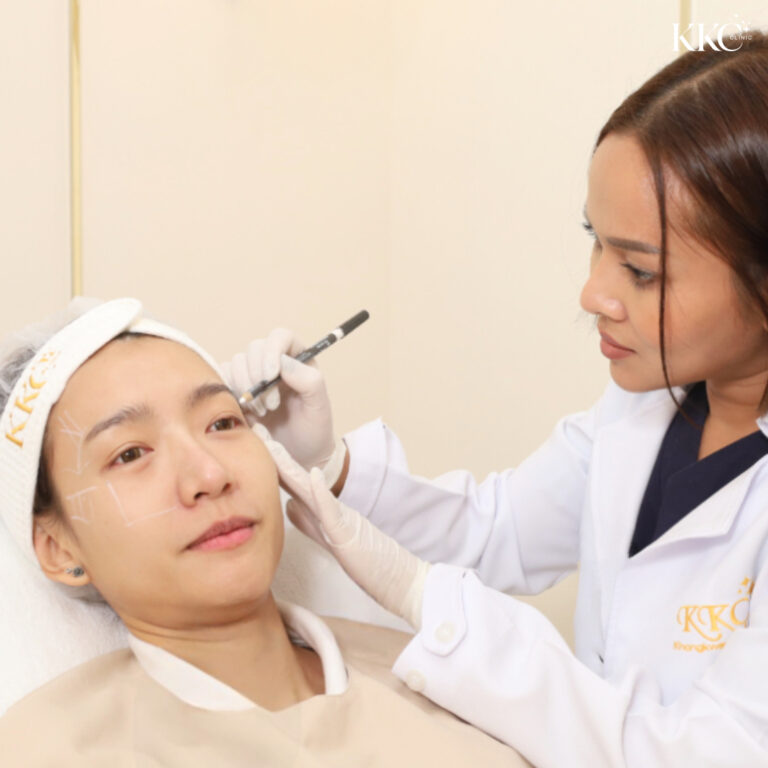
A liquid facelift is planned across the face rather than focused on isolated lines or features. This allows treatment to restore support where it has changed, instead of masking individual signs of aging.
When volume is replaced in the right areas, improvements often extend beyond the injection point. For example, improving cheek support can soften nasolabial folds, or reinforcing the jawline can enhance lower-face definition without directly filling lines.
Commonly treated areas include:
- Cheeks and midface – to restore support and improve contour
- Under-eye area – to soften hollows and reduce a tired appearance
- Nasolabial folds and marionette lines – often improved indirectly through better support
- Jawline and chin – to improve definition and facial balance
- Temples – to restore upper-face volume and harmony
- Forehead and crow’s feet – where wrinkle relaxers soften expression-related lines
Not every area requires treatment. Planning is individualized based on facial structure, movement, and overall balance.
Liquid Facelift vs Surgical Facelift
Both liquid facelifts and surgical facelifts aim to improve visible signs of facial aging, but they work in fundamentally different ways.
The right option depends on your facial structure, degree of aging, and what type of change is realistically needed.
| Aspect | Liquid Facelift | Surgical Facelift |
|---|---|---|
| Primary approach | Restores volume and support beneath the skin and relaxes overactive muscles | Repositions deeper tissues and removes excess skin |
| Best suited for | Early to moderate aging changes with volume loss and soft tissue descent | Advanced aging with significant skin laxity |
| Degree of change | Subtle to moderate improvement | More dramatic structural change |
| Results focus | Refreshing, rebalancing, and soft lifting | Repositioning and tightening |
| Longevity | Several months to ~2 years, depending on injectables used | Many years |
| Downtime | Minimal | Weeks of recovery |
| Anesthesia | Not required | Typically required |
| Cost structure | Lower upfront cost, with maintenance over time | Higher initial cost, longer-lasting result |
Is a Liquid Facelift the Right Approach for You?
A liquid facelift is most suitable when facial aging is related to volume loss.
It may be a good option if you are noticing:
- Loss of volume in the cheeks, temples, or under-eye area
- Softer contours or reduced jawline definition
- Lines that appear deeper due to structural change rather than skin texture
- A desire for visible improvement without surgery or extended downtime
However, injectables have limits. Surgery may be the better option when:
- Skin laxity is pronounced, particularly in the lower face or neck
- Jowls are primarily caused by excess skin rather than volume loss
- Neck laxity or platysmal banding is a main concern
- Additional filler would add heaviness rather than lift
In some cases, device-based skin tightening treatments may be more appropriate, particularly when collagen loss and skin laxity are the primary concerns rather than volume depletion.
Because facial aging varies from person to person, the most reliable way to determine the right approach is through an in-person assessment. This allows for a clear discussion of expected outcomes, limitations, and alternatives.
Injectables Used in a Liquid Facelift
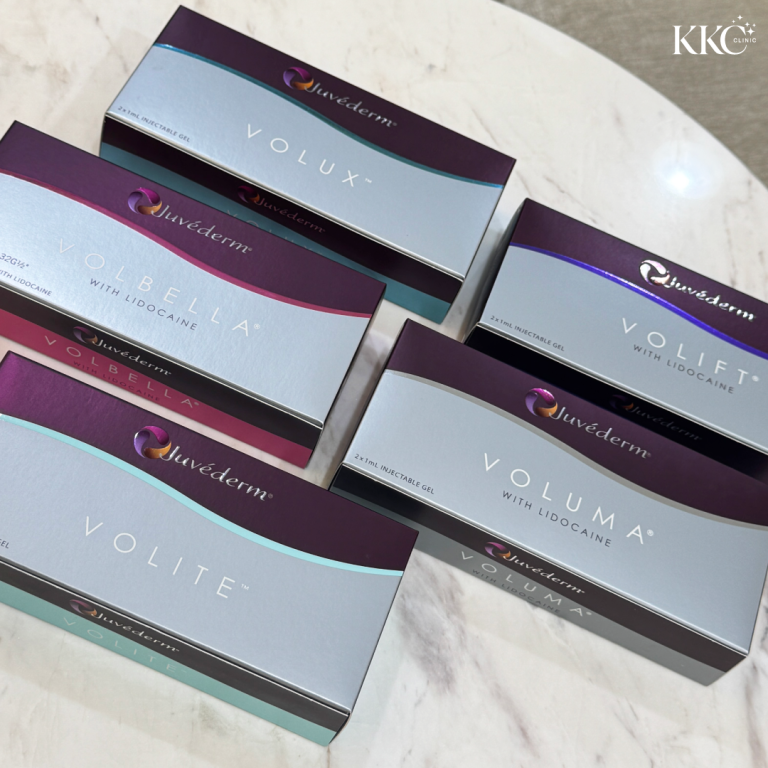
A liquid facelift is a combination approach. Different injectables are selected based on the role they play rather than brand alone.
Dermal Fillers and Biostimulators
Dermal fillers restore volume and support in areas where it has diminished. When placed correctly, they help reposition soft tissue and improve contour rather than simply filling lines.
Depending on the area, fillers may be used to:
- Restore hydration and softness
- Reinforce deeper structural support
- Improve definition and balance
Biostimulators work differently. Instead of creating immediate volume alone, they stimulate the skin’s natural collagen production over time.
This gradual process helps improve firmness, support, and skin quality, making them useful when longer-term structural improvement is the goal rather than instant correction.
Wrinkle Relaxers
Wrinkle relaxers reduce muscle activity that contributes to expression lines. In a liquid facelift, they are used strategically to:
- Soften dynamic lines
- Reduce downward pull from overactive muscles
- Support smoother, more balanced filler results
Our Approach: MD Codes, Adapted to Facial Structure
At KKC Clinic, liquid facelift treatments are guided by the MD Codes technique, a structured framework for planning injectable placement safely and strategically.
MD Codes focuses on restoring support at key anatomical points. This helps create lift and balance without unnecessary volume.
Adapting MD Codes to the Individual Face
Facial structure, proportions, and aesthetic preferences vary. For this reason, MD Codes must be adapted rather than applied uniformly.
- Standard MD Codes may be used where stronger projection or definition is beneficial
- Asian MD Codes, developed by KKC Clinic’s founding doctors, are adapted for faces with flatter midface structure or softer contours
In many cases, elements from both approaches are combined. The goal is not to change how the face looks, but to restore how it is supported while preserving natural movement and expression.
What to Expect at Your Appointment
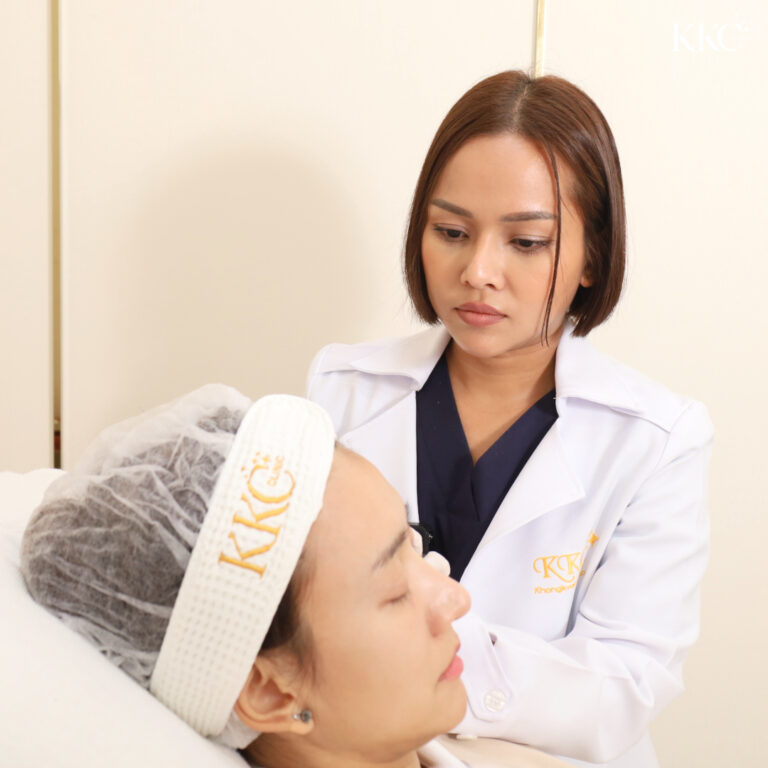
Consultation and Planning
Treatment begins with a detailed facial assessment, including structure, proportions, movement, and skin quality. Goals are discussed clearly, whether that means a subtle refresh or a more noticeable rebalancing.
From there, a treatment plan is created based on suitability, placement strategy, and overall scope.
During Treatment
Topical numbing and careful technique help minimize discomfort. Most describe the sensation as mild pressure or brief stinging in certain areas. Treatment usually takes 30–60 minutes.
After Treatment
Mild swelling, redness, or tenderness is normal. Bruising may occur in some areas and is usually temporary.
Fillers show immediate improvement and continue to settle over several days. Wrinkle relaxers begin working within a few days and reach full effect at around two weeks.
Downtime and Aftercare
Downtime is typically minimal. Most return to normal routines quickly.
General aftercare advice includes:
- Avoid strenuous exercise for 24–48 hours
- Avoid alcohol if prone to bruising
- Do not massage treated areas unless advised
Specific guidance may vary depending on treatment areas.
Comfort, Side Effects, and Safety
Most describe treatment as well tolerated.
Common temporary effects include swelling, redness, tenderness, and bruising. More serious complications are rare but possible, which is why anatomical knowledge, conservative dosing, and proper technique matter.
At KKC Clinic, safety is supported through structured planning, careful placement, and clear follow-up guidance.
How Long Do Results Last?
Results depend on the type of injectables used and how your face responds to treatment.
- Wrinkle relaxers typically last around 3–6 months
- Hyaluronic acid fillers often last 6–18 months, depending on the area treated
- Collagen-stimulating options work more gradually and can last up to 24 months.
Many people choose maintenance treatments to keep results looking consistent rather than waiting for everything to fully wear off.
Liquid Facelift Cost at KKC Clinic
Liquid facelift pricing varies because treatment is planned around facial structure and support needs rather than a fixed formula.
Treatment starts from 15,000 THB, with the final cost depending on the scope of treatment required.
Factors that influence pricing include:
- Number of areas treated
- Types of injectables used
- Amount of product required
- Whether treatment is staged over time
Rather than pricing by syringe alone, planning focuses on restoring support where it has changed. In many cases, improving structure in one area can reduce the need for heavier correction elsewhere.
A clear, personalized quote is provided after consultation, once facial assessment and treatment planning are complete.
Why Choose KKC Clinic for a Liquid Facelift

A liquid facelift depends as much on planning and technique as it does on the products used. How the face is assessed, where support is restored, and how changes are staged over time all influence the final result.
At KKC Clinic, liquid facelifts are approached as a full-face medical treatment, not a series of isolated injections.
What sets our approach apart:
- Medical-led, full-face assessment: Every plan considers facial structure, movement, and balance, not just visible lines.
- Structured techniques, adapted to the individual: Treatments are guided by the MD Codes framework, with Asian MD Codes or standard MD Codes applied based on facial anatomy and aesthetic goals.
- Conservative, staged treatment philosophy: Emphasis is placed on balance and restraint, with the option to build results gradually rather than overcorrecting in one session.
- Consistent standards across doctors and branches: Shared protocols and training help ensure predictable, natural-looking outcomes.
- Experience with local and international clients: Clear communication in English, Thai, and Chinese, with planning that accounts for lifestyle, downtime, and long-term maintenance.
Frequently Asked Questions
Plan Your Liquid Facelift Consultation
A liquid facelift works best when it’s planned around your facial structure, not a fixed formula.
A consultation allows us to assess how volume loss, facial movement, and support changes are affecting your appearance, then determine whether a liquid facelift is the right approach.
During your visit, we will:
- Review your facial structure, proportions, and areas of change
- Discuss your goals, whether that’s a subtle refresh or more visible rebalancing
- Explain suitable treatment options, timelines, and maintenance planning
- Provide clear guidance on expected results and pricing
From there, a treatment plan can be built that suits your face rather than forcing a one-size-fits-all approach.