
Mole, Skin Tag & Milia Removal in Bangkok
Remove benign skin growths in minutes with CO2 laser, no cutting or stitches.
Rated 4.9 out of 5
2,300+ five-star reviews

Moles, skin tags, and milia are among the most common reasons people visit a dermatologist. They’re almost always harmless, but when they’re on your face, catching on clothing, or simply in the way, removal is a practical choice.
We use CO2 laser to remove these growths precisely at the surface. Unlike surgical methods that cut and stitch, the laser vaporizes the tissue cleanly. There’s no open wound to manage, and the treated area heals like a light graze within days. It’s a fast, well-tolerated procedure that works on any area of the body, from the face and neck to the back, chest, and underarms.
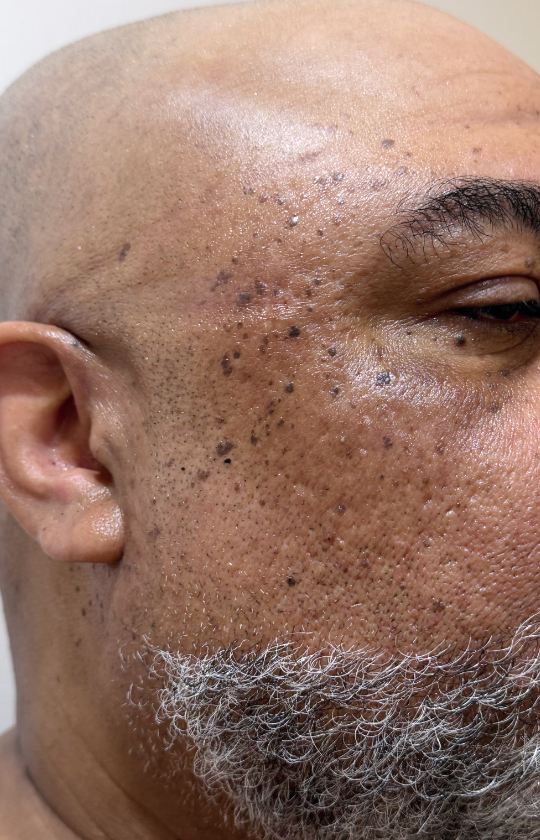
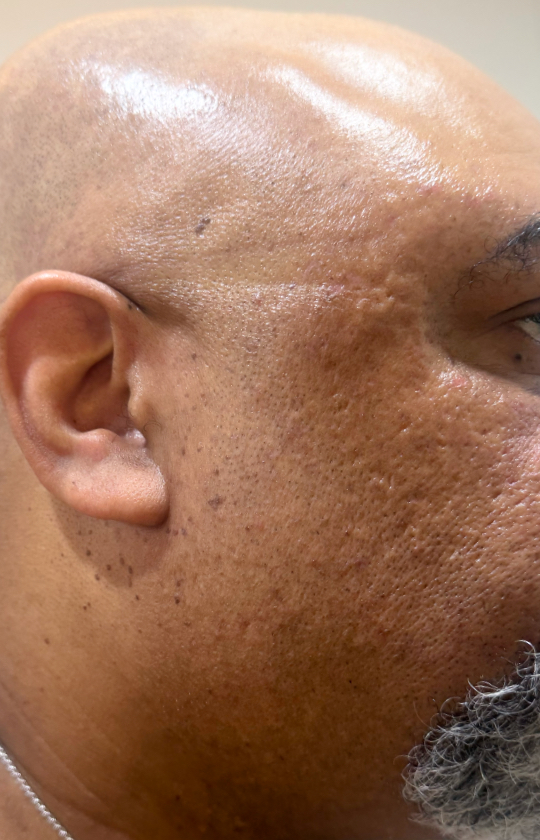
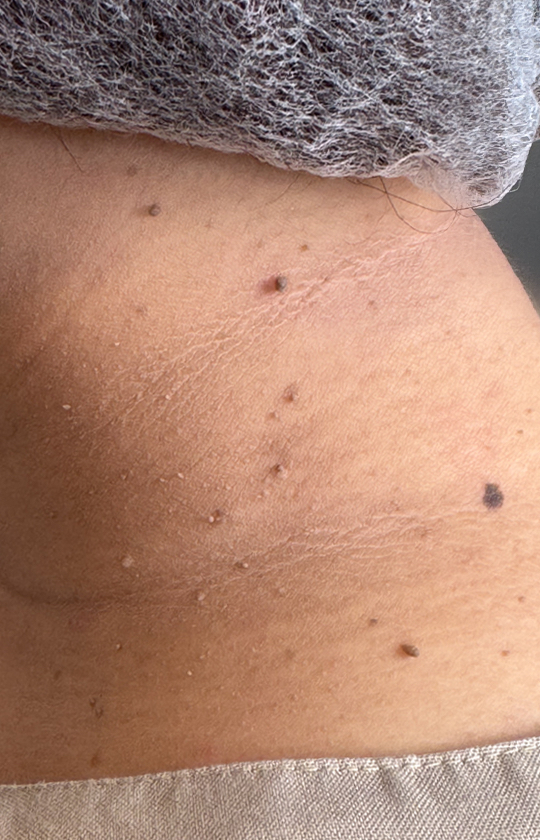
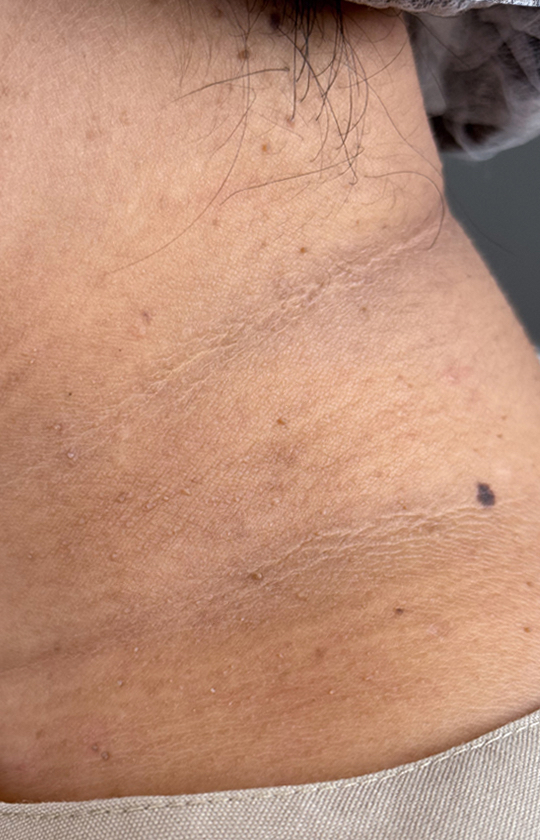
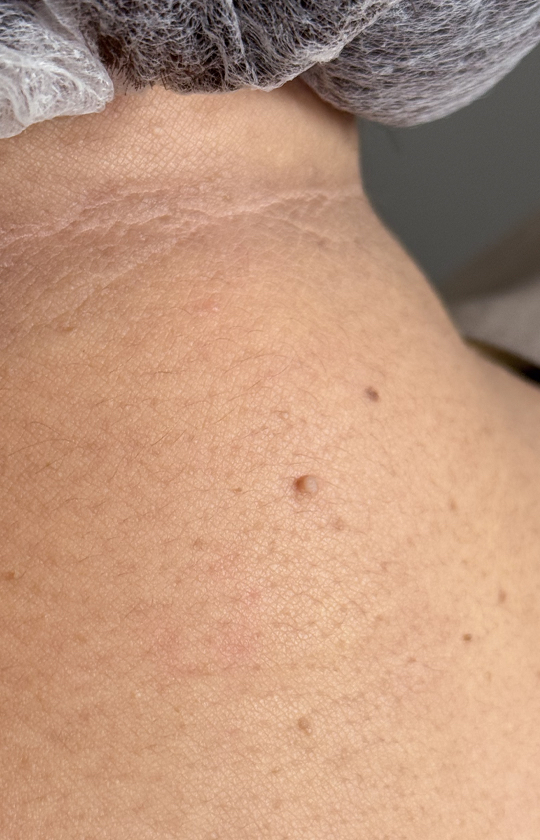
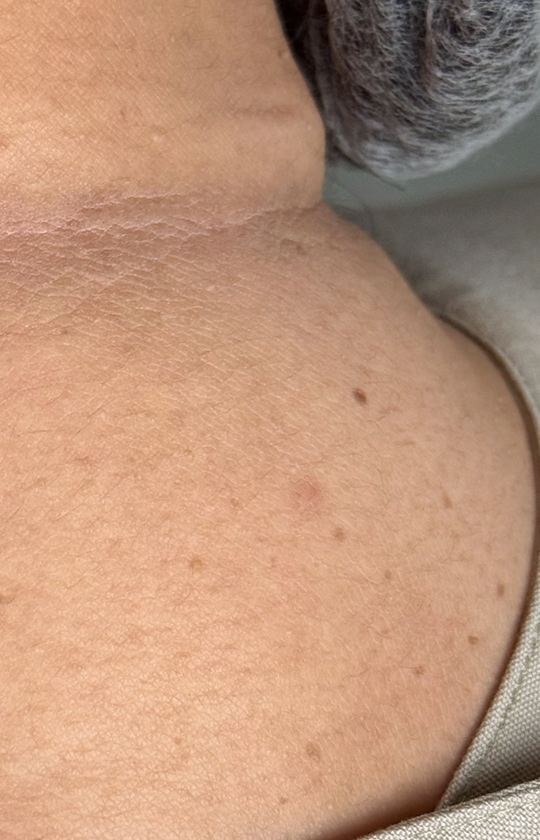
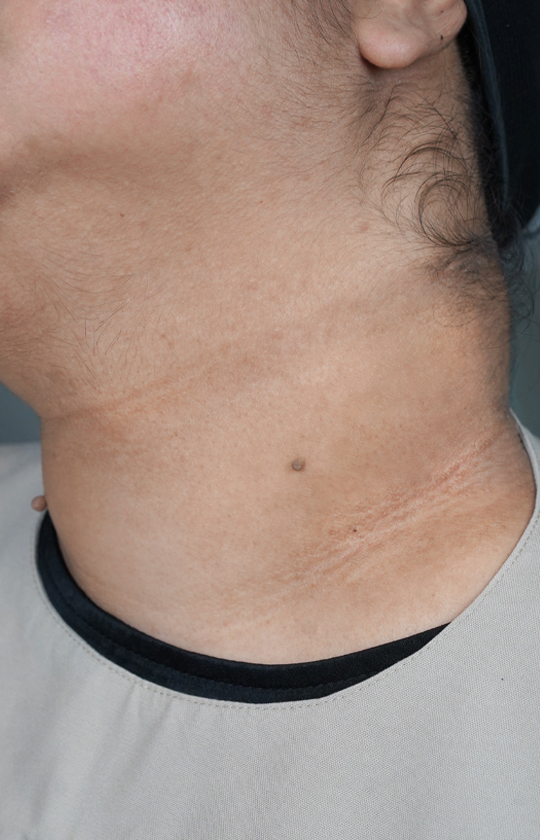
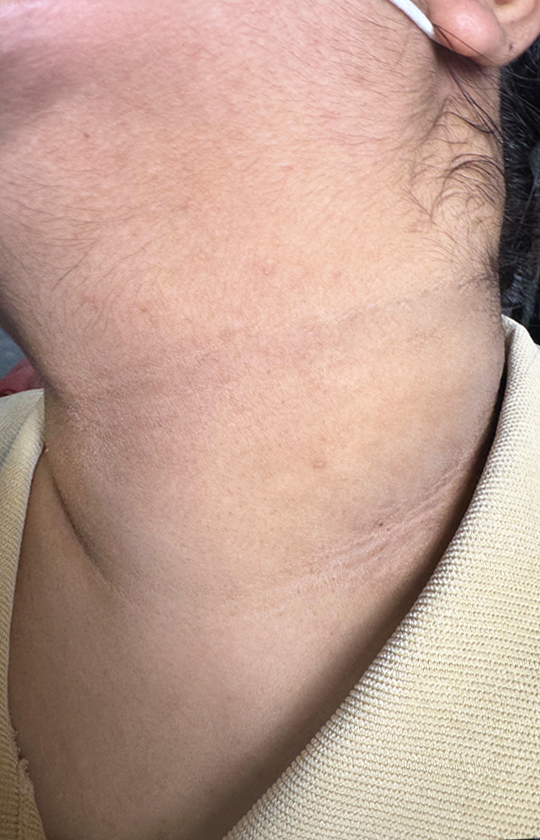
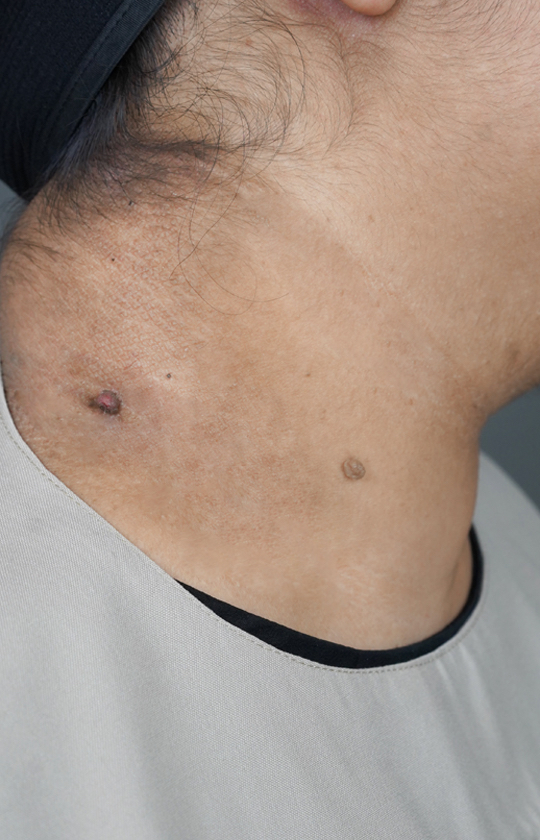
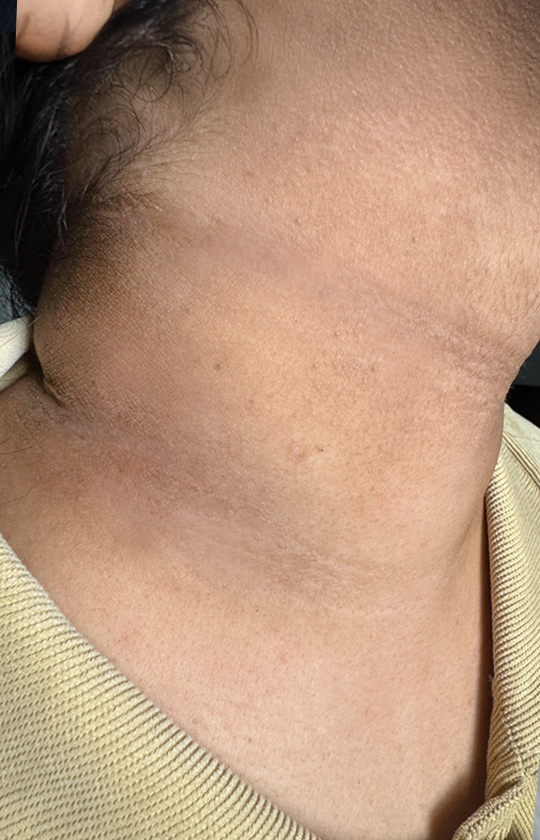
Results may vary with each individual
Benign Skin Growths We Remove
We treat a range of benign skin growths that are harmless but often unwanted for cosmetic or comfort reasons.
- Moles — flat, raised, or pigmented growths anywhere on the body. CO2 laser is best suited to surface-level moles. Deeper moles may require surgical excision instead.
- Skin tags — small, soft flaps of skin in friction areas like the neck, armpits, and eyelids. They tend to multiply over time, so earlier removal means fewer to treat.
- Milia — small, hard white bumps from trapped keratin, typically around the eyes, cheeks, and forehead. Unlike acne, they don’t respond to over-the-counter products.
- Seborrheic keratoses — rough, waxy growths that become more common with age. Benign but can look concerning.
- Epidermal cysts — firm bumps beneath the skin from trapped skin cells. Treatable with CO2 laser when close to the surface.
- DPN (dermatosis papulosa nigra) — small, dark raised spots on the cheeks and forehead, common in darker skin tones.
- Enlarged sebaceous glands and syringomas — small bumps from overactive oil glands or sweat glands, often around the forehead or eyes.
We don’t currently offer wart removal at our clinic. If you’re unsure what type of growth you have, your doctor will identify it during your consultation and recommend the right treatment.
How CO2 Laser Removal Works
CO2 laser is a medical-grade laser treatment that uses a concentrated beam of light at a 10,600-nanometer wavelength. This wavelength is specifically absorbed by water inside skin cells, allowing the laser to vaporize targeted tissue with precision while leaving surrounding skin intact.
There’s no cutting, no stitches, and typically no bleeding. The laser seals small blood vessels as it works, which helps keep the treatment site clean and promotes faster healing. The treated area looks like a light graze afterward and heals within days.
For most benign growths, this is a more practical option than surgical excision. Surgery involves a scalpel, sutures, and a longer recovery. CO2 laser typically heals faster, carries a lower risk of visible scarring, and is better suited to sensitive areas like the face and around the eyes.
CO2 laser can be used on a wide range of skin types. For darker skin tones, your doctor will adjust the laser settings and recommend specific aftercare to reduce the risk of pigmentation changes. This is something we assess carefully during your consultation.
What to Expect During Your Appointment
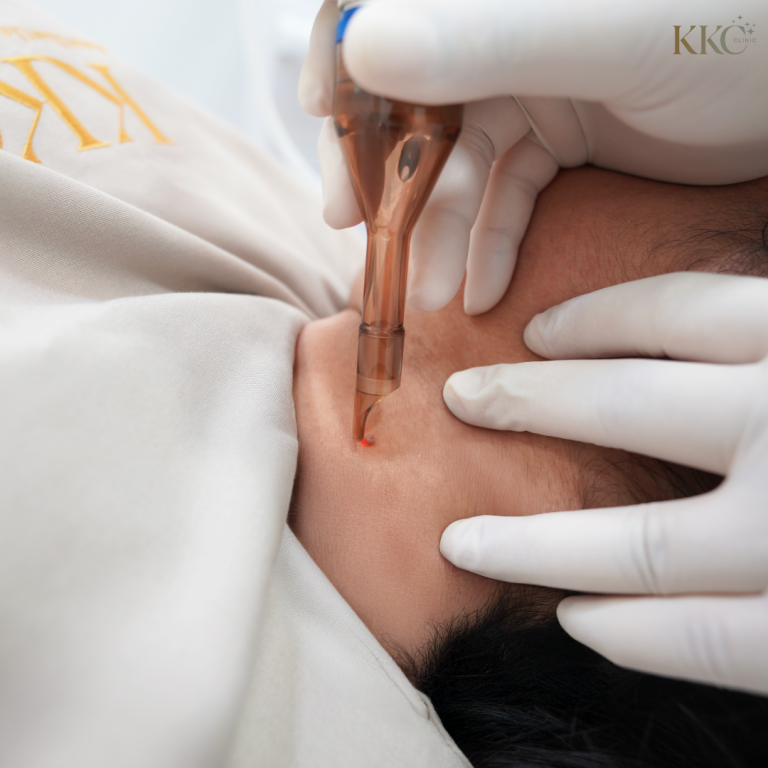
Your visit starts with a consultation. Your dermatologist examines each growth under proper lighting, confirms it’s benign, and determines whether laser removal is the right approach. If any lesion looks suspicious, it will be referred for biopsy before treatment proceeds. If you’re taking blood-thinning medication or have had moles removed in the past, let your doctor know during this step.
Once the plan is confirmed, a topical numbing cream is applied to the treatment area. This typically sits for around 30 minutes to take full effect. For deeper growths, a small local injection may be used instead.
When the area is numb, the CO2 laser is used to precisely target and remove each growth. Most sessions take 15–30 minutes depending on the number and size of lesions. You may feel a mild warmth or slight sting in some areas, but the procedure is generally well tolerated.
Afterward, we apply an antibiotic ointment and walk you through your aftercare instructions before you leave. The whole appointment, including consultation and numbing time, typically takes under an hour.
Healing and Aftercare
CO2 laser removal is minimally invasive, but how you care for the treated area makes a real difference in your results.
What to Expect as You Heal
- Days 1–2: A light scab or crust forms over each treated spot. This is normal and part of the skin’s repair process.
- Days 5–10: The scab falls off naturally. Don’t pick at it. Letting it shed on its own helps prevent scarring.
- Weeks 2–8: The skin underneath may look pink at first. This fades gradually as the area continues to heal.
- By 2–3 months: Most treated areas return to a normal skin tone, especially with consistent sun protection. For darker skin tones, some temporary pigmentation changes are possible but typically fade within this timeframe.
Aftercare Guidelines
- Keep the area clean and dry. Gently cleanse with water and pat dry. Avoid harsh soaps or exfoliants.
- Apply SPF 50+ sunscreen daily. This is the single most important step. Continue for at least three months to reduce the risk of hyperpigmentation.
- Don’t pick or scrub the treated area. Let scabs fall off naturally.
- Skip makeup and active skincare products on the treated area until it’s fully healed.
- Avoid swimming pools and hot tubs for at least seven to ten days, or until the skin has fully healed over.
How Many Sessions Are Needed?
Most skin growths are removed in a single session.
Small skin tags, milia, and surface-level moles are typically gone in one visit with no further treatment needed. Larger growths or those in tricky locations may occasionally require a second session to ensure complete removal.
If you have multiple growths, they can usually all be treated in the same appointment. For larger numbers, sessions may be split for comfort.
Skin Growth Removal Cost
Our CO2 laser removal starts at ฿1,000 per lesion. The final cost depends on the number, size, and location of the growths being treated.
During your consultation, we’ll assess your concerns, create a treatment plan, and clearly explain the total cost before anything begins. No hidden fees.
Possible Side Effects
CO2 laser treatment is generally safe when performed by experienced professionals, but some mild side effects are normal.
Common and Temporary
Redness, mild swelling, and pinkness in the treated area. These typically resolve within a few days to weeks.
Less Common
Hyperpigmentation or hypopigmentation, particularly in darker skin tones. Hyperpigmentation typically fades within a few months with consistent sun protection. Hypopigmentation is less common but may take longer to resolve. Mild itching or dryness is also possible as part of the natural healing process.
Your doctor will discuss what to expect and how to minimize any risks during your consultation.
Why Choose KKC Clinic for Benign Skin Growth Removal

Every skin growth removal at KKC Clinic begins with a proper assessment. Your doctor examines each growth under clinical lighting, confirms it’s benign, and recommends the most effective approach for your skin. We use modern CO2 laser systems for precise, targeted removal with faster healing and minimal scarring. There’s no cutting, no stitches, and most people return to their daily routine the same day.
Your consultation is complimentary. Pricing is discussed upfront, with no hidden fees. We’re open daily across 6 Bangkok locations, with English-speaking doctors and staff ready to guide you through the process.
Rated 4.9 out of 5 across 2,300+ reviews.
Frequently Asked Questions
Start with a Free Consultation
Ready to remove a mole, skin tag, or other skin growth? Book a consultation and we’ll assess your skin, explain your options, and let you know exactly what to expect.