Dual Yellow Laser in Bangkok
Fade redness and pigmentation together in one gentle laser session.
Rated 4.9 out of 5
2,300+ five-star reviews

Most lasers target either redness or pigmentation. Dual Yellow targets both. It combines a yellow wavelength that shrinks blood vessels with a green wavelength that breaks down dark spots. Instead of treating each concern separately, both are addressed together.
That combination is what makes it effective for conditions like melasma, rosacea, and post-acne marks, where redness and discoloration often overlap. It’s also one of the gentlest laser treatments available. There’s no downtime, no scabbing, and you can go straight back to your day afterward.
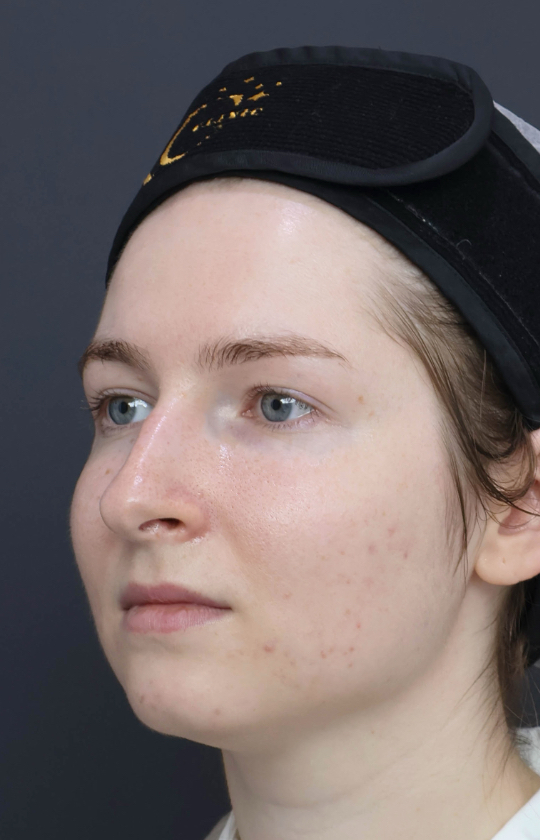
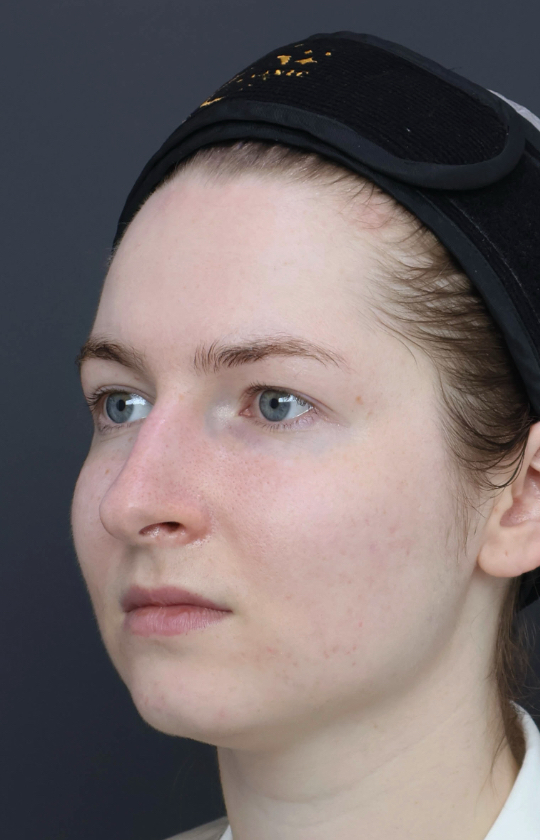


Results may vary with each individual
What Dual Yellow Laser Can Treat
Because it targets both blood vessels and pigment, Dual Yellow is used for a wider range of skin concerns than most lasers.
- Melasma and pigmentation — melasma isn’t just a pigment problem. The skin underneath has extra blood vessels that help drive the discoloration. Most lasers only treat the dark spots on the surface. Dual Yellow also calms the blood vessel activity underneath, which is why it can produce longer-lasting results for stubborn pigmentation.
- Rosacea and facial redness — reduces persistent flushing, visible redness, and broken capillaries across the cheeks and nose.
- Acne and post-acne marks — calms inflammation in active breakouts and fades the dark marks left behind. Often used alongside a dedicated acne treatment program for persistent cases, or as the pigment-targeting component of a wider acne scar treatment plan.
- Skin rejuvenation — improves overall skin tone and texture over a series of sessions. Many people notice brighter, more even skin as redness and pigmentation clear.
Most people are good candidates. Your doctor may recommend waiting if you’re pregnant, have an active skin infection, or are taking photosensitizing medications. Recent sun exposure or the use of certain oral acne medications can also affect timing.
Why There’s No Downtime
Most lasers deliver a continuous beam of energy that heats the skin. Dual Yellow works differently. Its FEM® technology fires thousands of tiny pulses per second, each one delivering energy and dropping off before the surrounding skin has time to heat up. That’s why there’s no burning, no scabbing, and no damage to the skin surface.
The laser has four modes. Your doctor selects the right one based on your concern: redness alone, pigmentation alone, or a combination like melasma where both overlap.
It’s safe across a wide range of skin tones, from fair to olive and darker complexions.
How It Compares to Other Lasers

We offer a range of laser treatments for skin concerns. Choosing between them depends on what you’re treating and how much downtime you’re willing to accept.
|
Dual Yellow |
Blink Laser |
|||
|---|---|---|---|---|
|
Best for |
Redness + pigment combo, melasma, rosacea |
Mild discoloration, uneven tone |
Scars, resurfacing, mole removal |
Pigmentation, freckles, tattoo removal |
|
How it works |
Two precise wavelengths (photochemical) |
Broad-spectrum light pulses |
Ablative resurfacing |
High-energy pulses shatter pigment |
|
Downtime |
None |
Minimal |
7-14 days |
Low to moderate |
|
Comfort |
Mild warmth |
Brief snapping sensation |
Requires numbing |
Moderate |
|
Skin types |
Fair to dark |
Fair to medium |
Fair to medium |
Fair to dark |
What Happens During a Session?

Each session takes 15–30 minutes. Your doctor examines your skin under proper lighting and selects the wavelength mode and settings for your concern.
- Cleansing: The treatment area is thoroughly cleaned. Numbing cream is usually not needed since the laser doesn’t break the skin surface.
- Laser application: The device delivers precise pulses across the treatment area. A cooling system soothes the skin during the process. You’ll feel mild warmth or a gentle tingling.
- Finishing up: There’s nothing to bandage or cover. Your skin may look slightly brighter immediately. Mild redness typically fades within a few hours, though it can last a day or two depending on treatment intensity.
The whole process is quick enough to fit into a lunch break.
Results and Recovery
There’s no downtime. You can return to your normal routine, including wearing makeup, the same day or the next morning.
In the first few days, skin often looks brighter and clearer right away. Treated pigmentation may appear slightly darker before it fades. This is normal as the broken-down pigment works its way to the surface.
Over the following weeks, redness reduces gradually, dark spots lighten, and texture improves as new collagen forms.
How many sessions you’ll need:
- Redness and capillaries: 1-2 sessions
- Acne marks, melasma, freckles: 3-5 sessions
- Severe or deep pigmentation: 5-6 sessions
Maintenance frequency depends on the condition. For melasma and pigmentation, sessions every 3 to 6 months help manage recurrence, especially with ongoing sun exposure or hormonal changes. For general rejuvenation and vascular conditions, every 6 to 12 months is typically enough.
Aftercare:
- Wear SPF daily
- Avoid AHA, BHA, retinoids, and high-concentration Vitamin C for one week
- Skip saunas, hot showers, and intense exercise for a few days
- Don’t scrub or rub the treated area
How Much Does Dual Yellow Laser Cost?
Dual Yellow Laser starts from ฿4,000 per session. Final pricing depends on the treatment area and the wavelength mode used. Your doctor will confirm the cost during your consultation after assessing your skin.
Why Choose KKC Clinic for Laser Treatment

Getting results from Dual Yellow comes down to choosing the right wavelength mode and power settings for your skin. That’s why we start every session with a proper assessment. Your doctor examines your skin, identifies what’s driving the concern, and adjusts the laser accordingly.
We have 6 locations across Bangkok, English-speaking doctors and staff, and free consultations with transparent pricing.
Rated 4.9 out of 5 across 2,300+ reviews.
Frequently Asked Questions
Start with a Free Consultation
Not sure if Dual Yellow is the right fit? We’ll assess your skin, explain your options, and recommend a treatment plan based on what we see.