Ultherapy in Bangkok
Lift brows, neck, and jawline with imaging-guided ultrasound that builds collagen.

Most faces don’t age evenly. The jawline softens first, or the skin under the chin loosens, or the brows settle low enough that people start asking if you’re tired. Each of these has the same cause: the layer beneath the skin is losing the collagen that holds everything up.
That’s why creams don’t fix it. The change is structural, and nothing applied to the surface can reach the layer where it’s happening.
Ultherapy, also called Ulthera, uses focused ultrasound to lift exactly that layer, without surgery. It was the first non-invasive treatment FDA-cleared to lift the brow, the skin under the chin, and the neck. Your doctor guides every step on a live ultrasound image, and the lift builds naturally over the months that follow.
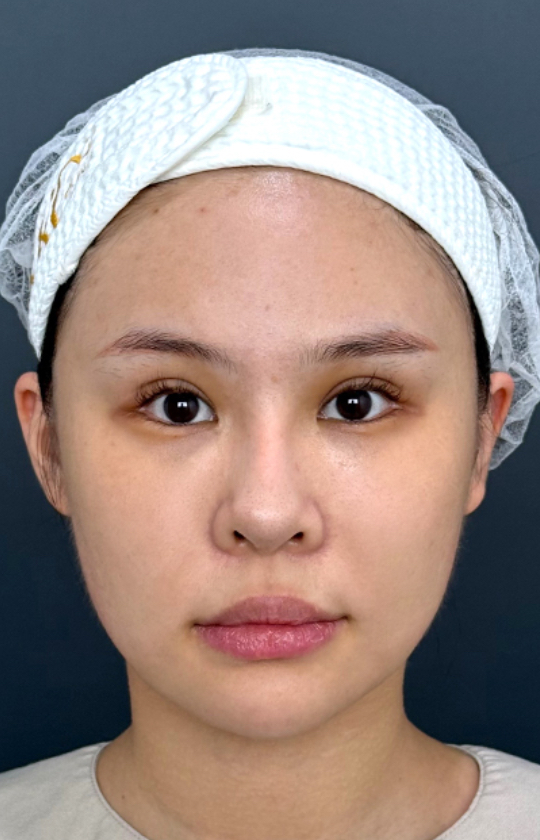
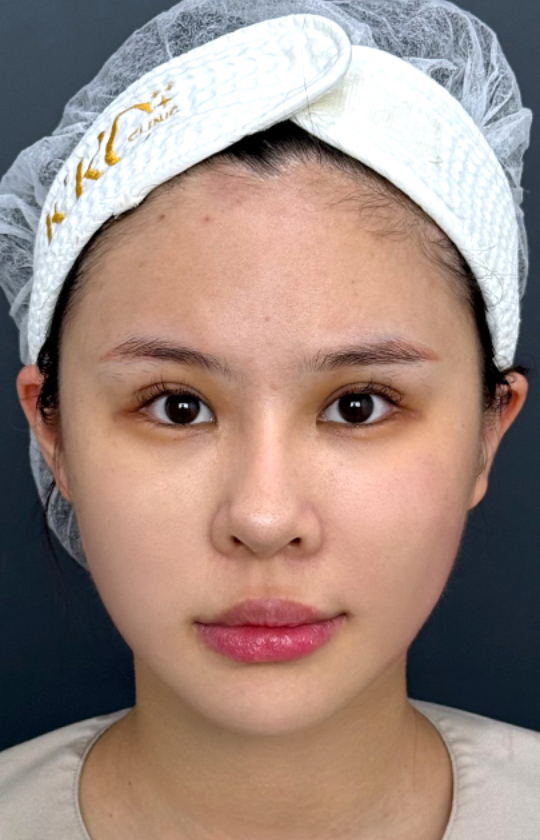
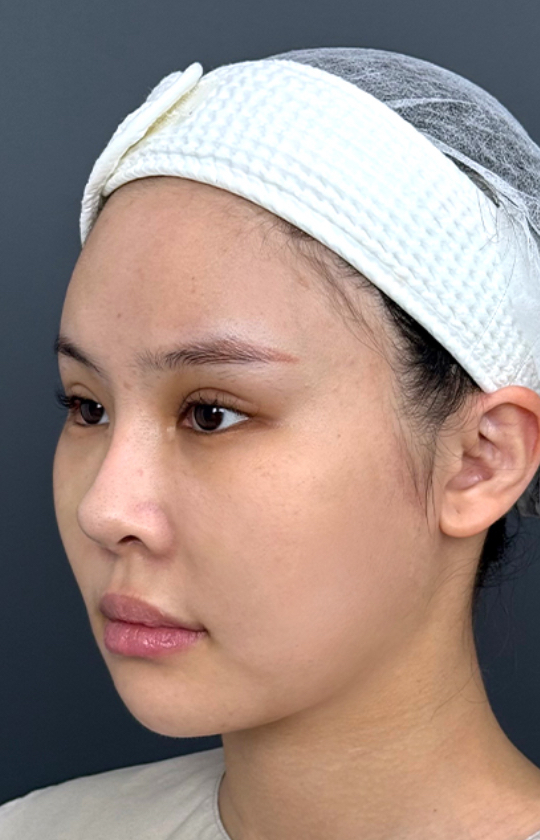
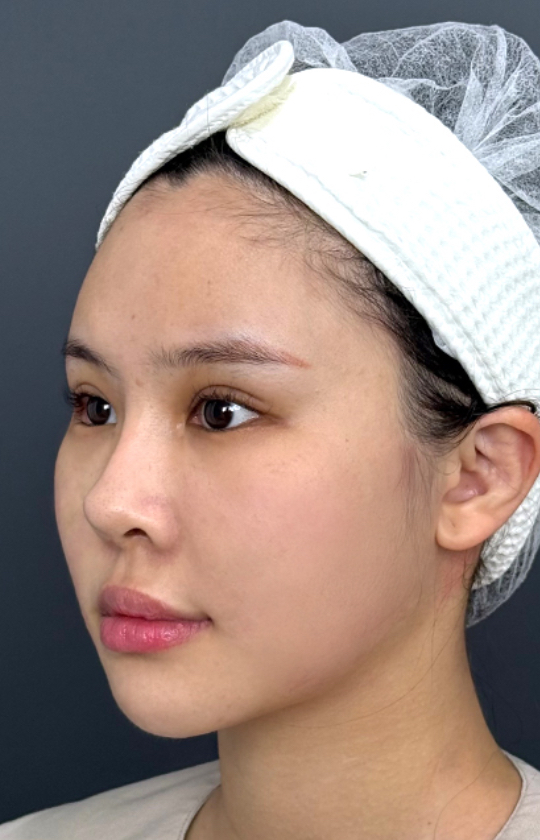
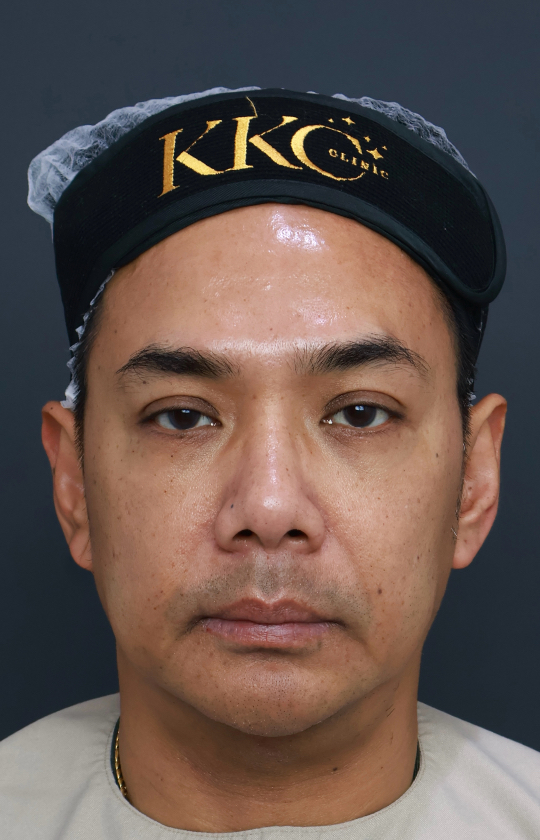
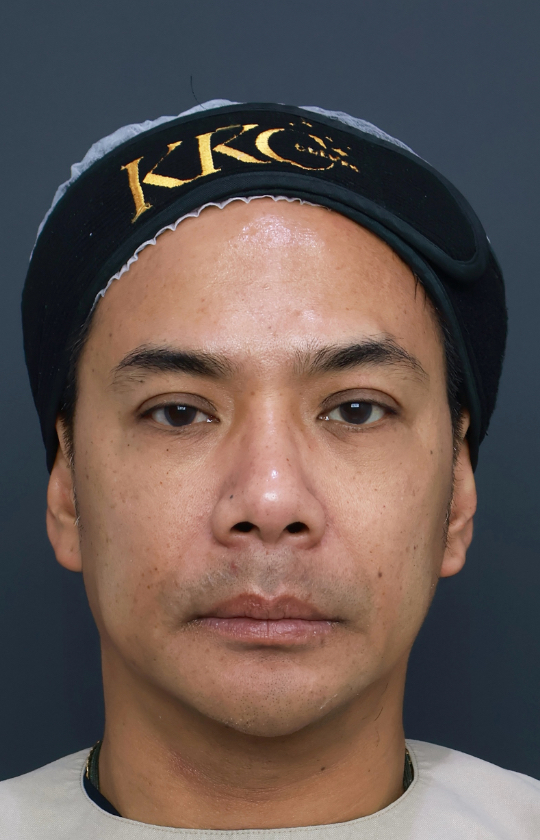
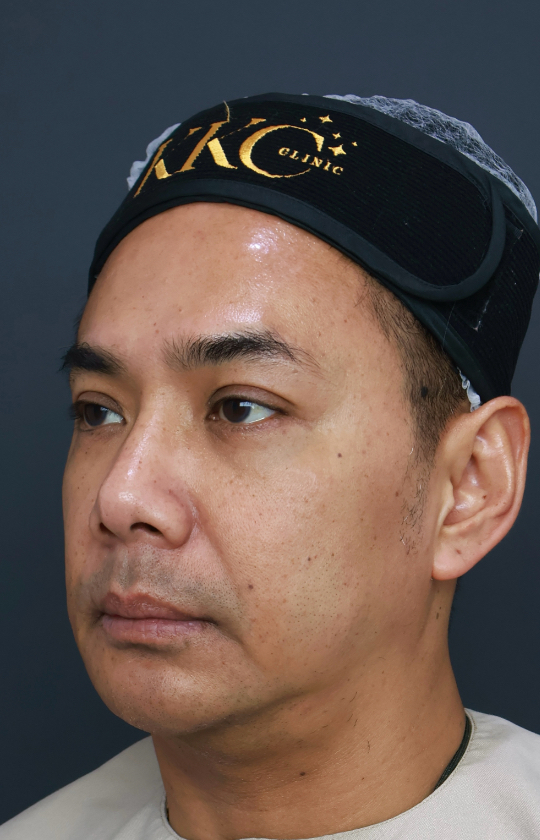
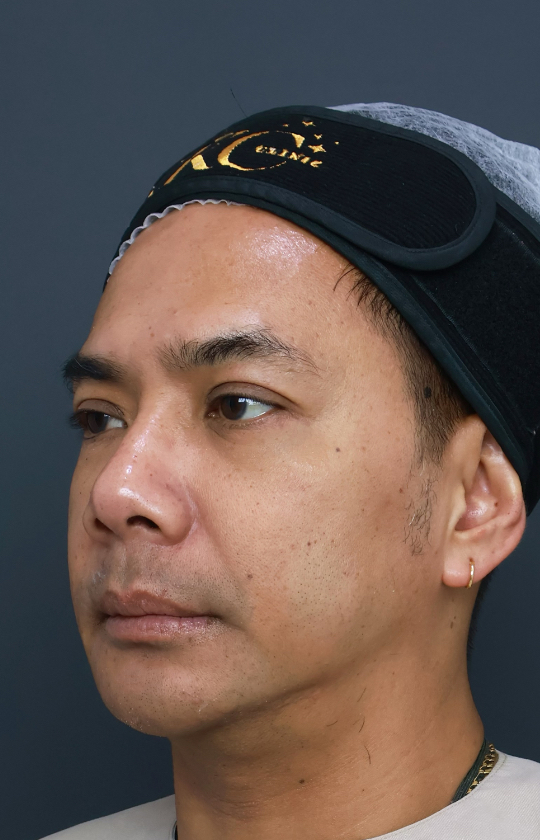
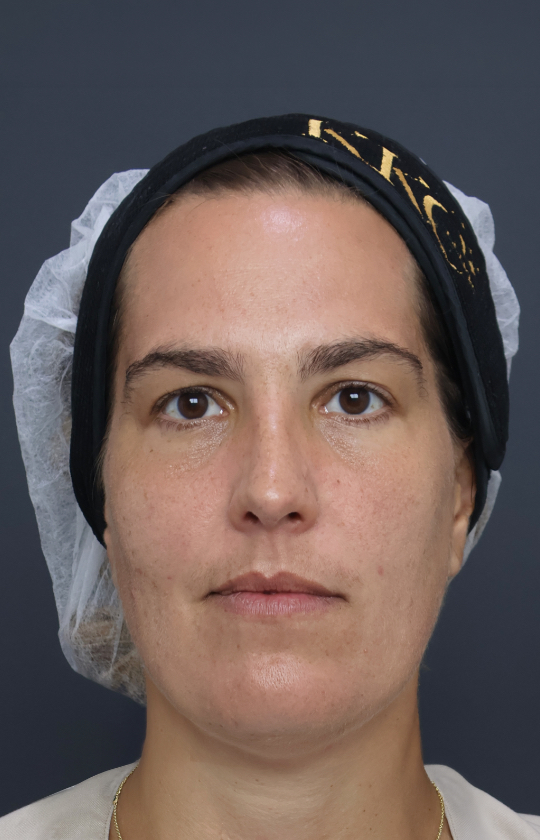
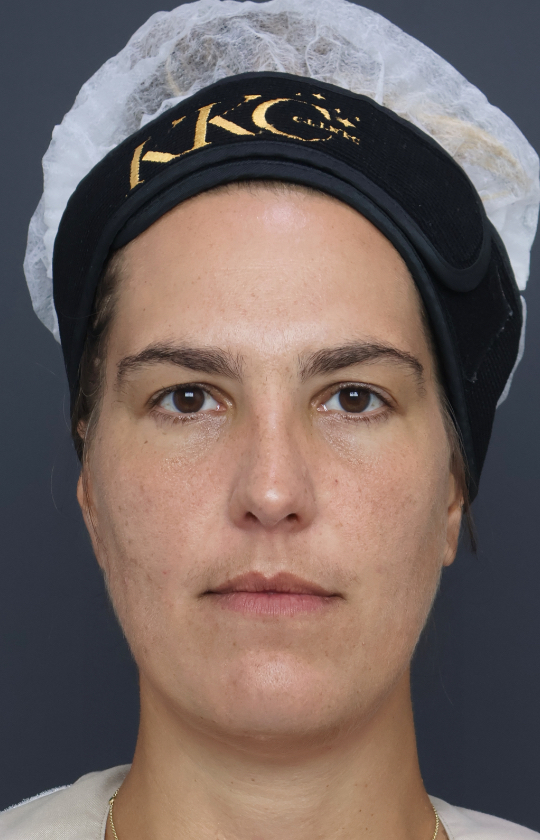
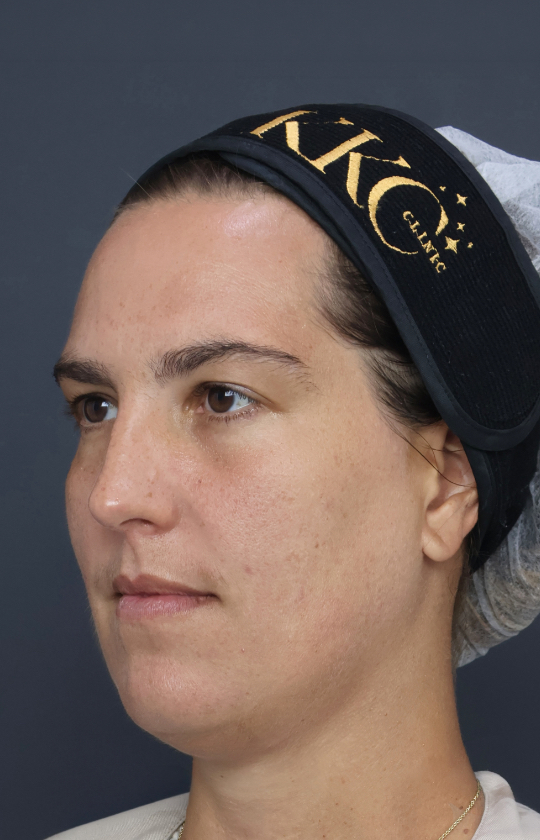
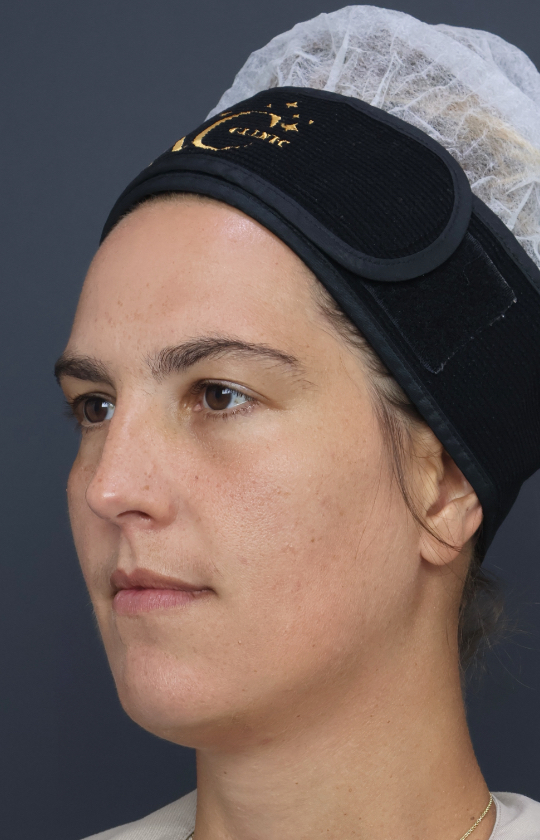
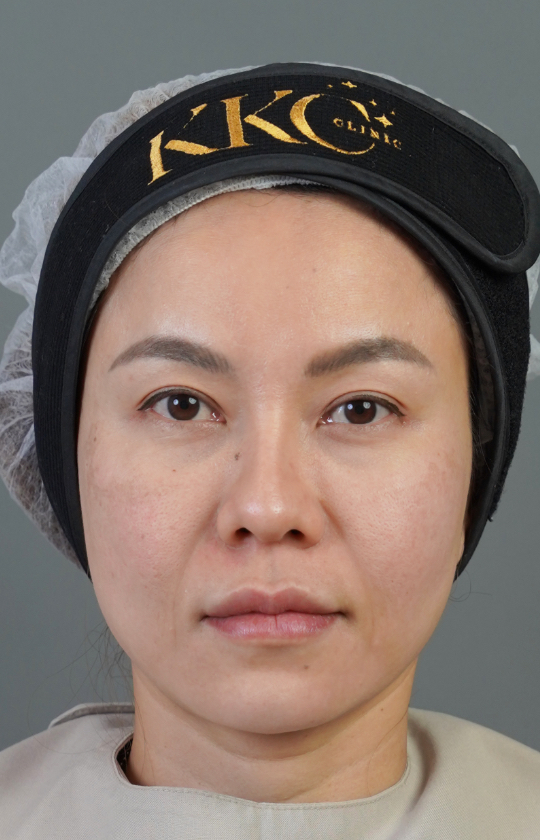
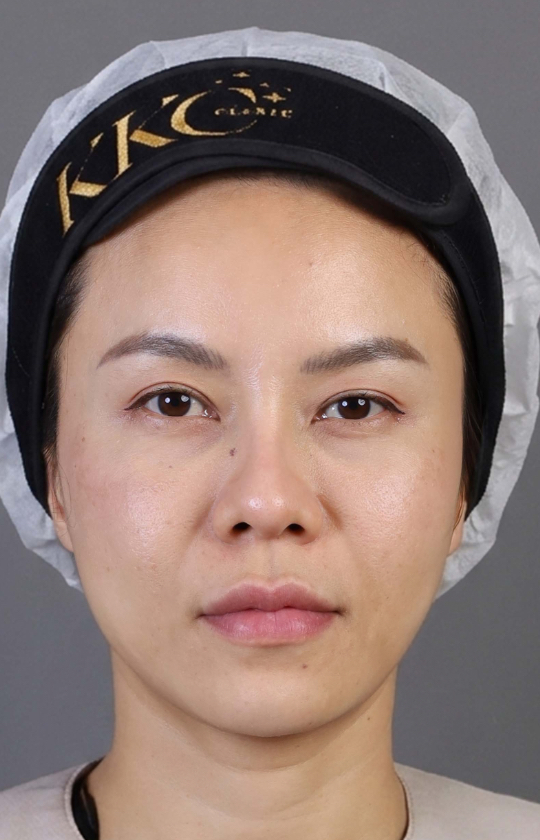
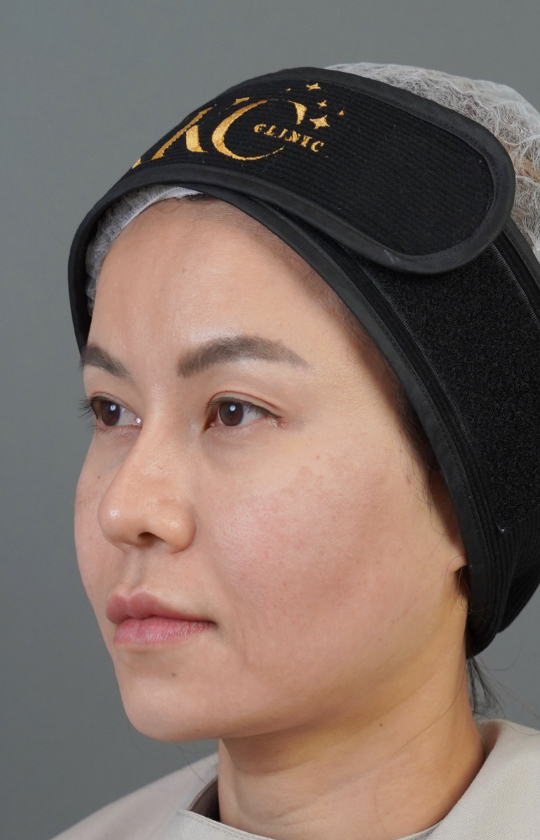
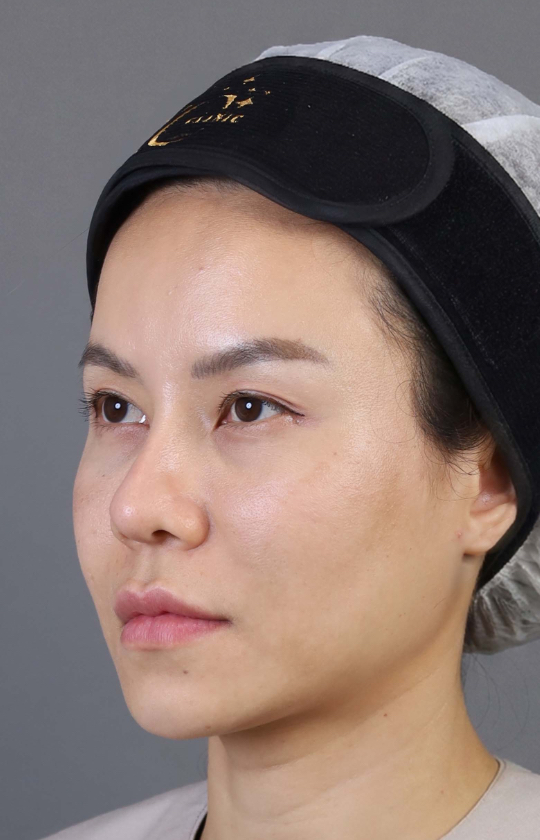
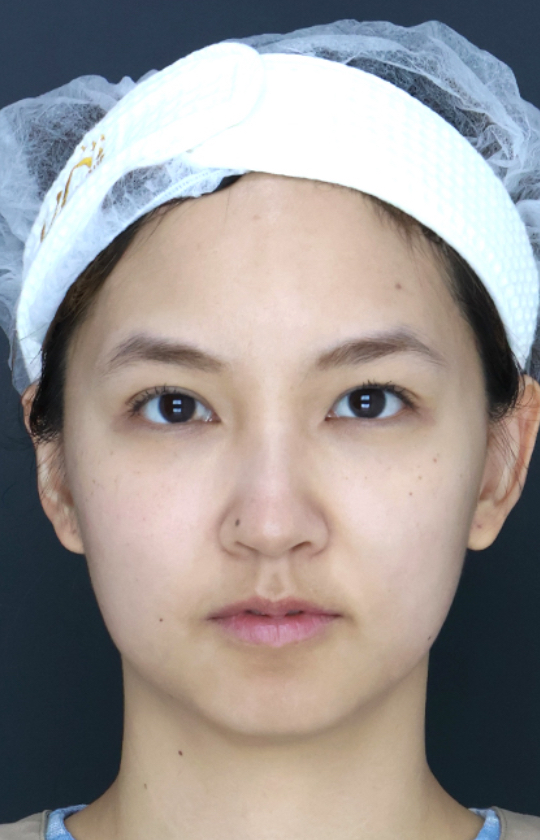
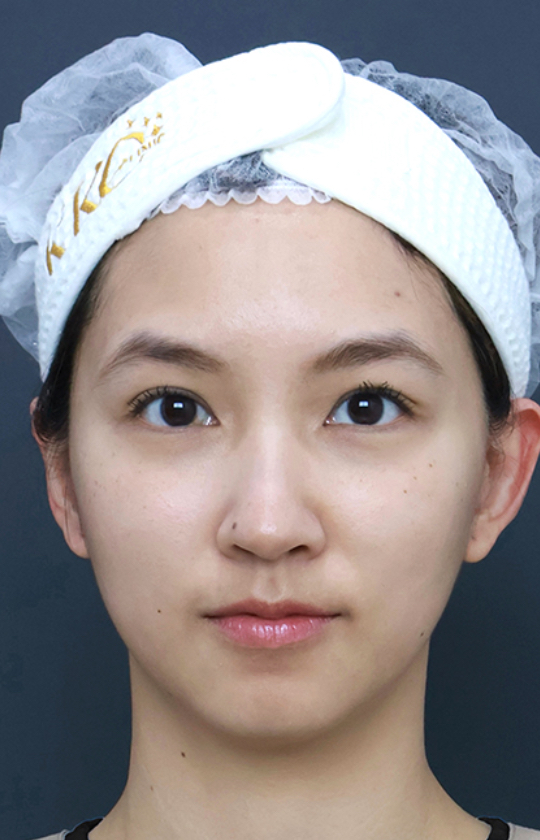
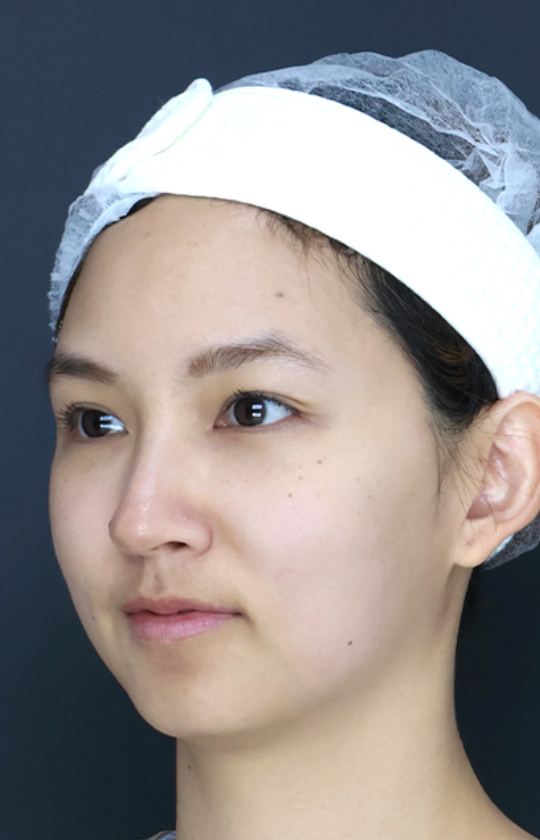
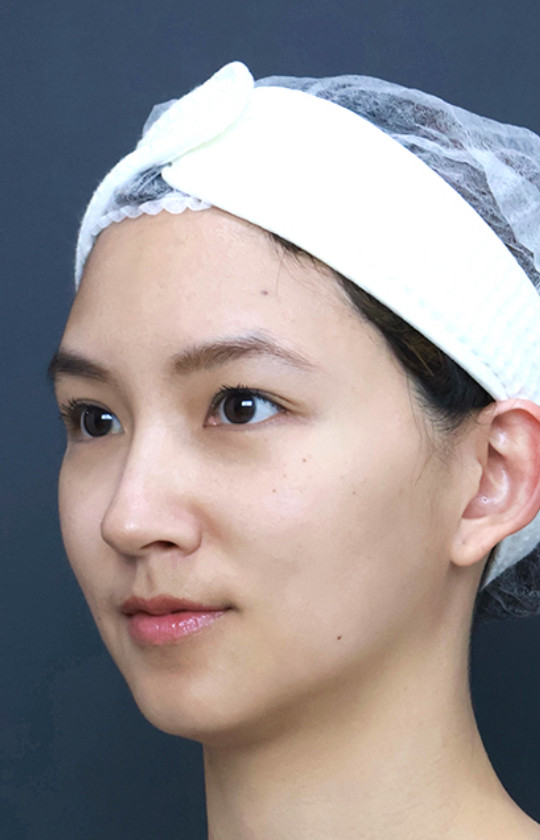
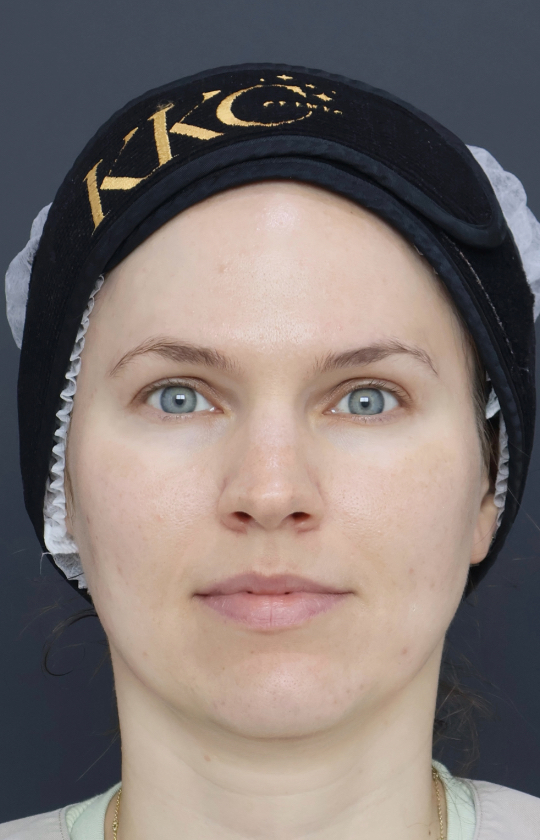
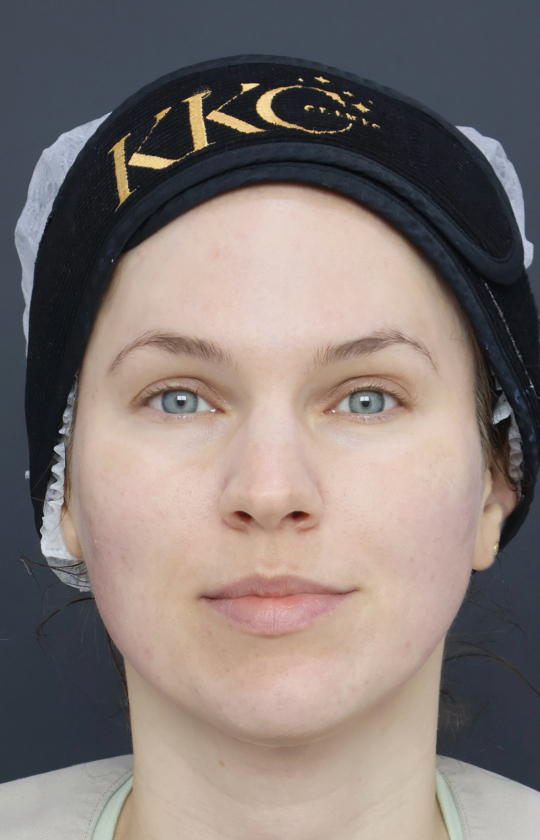
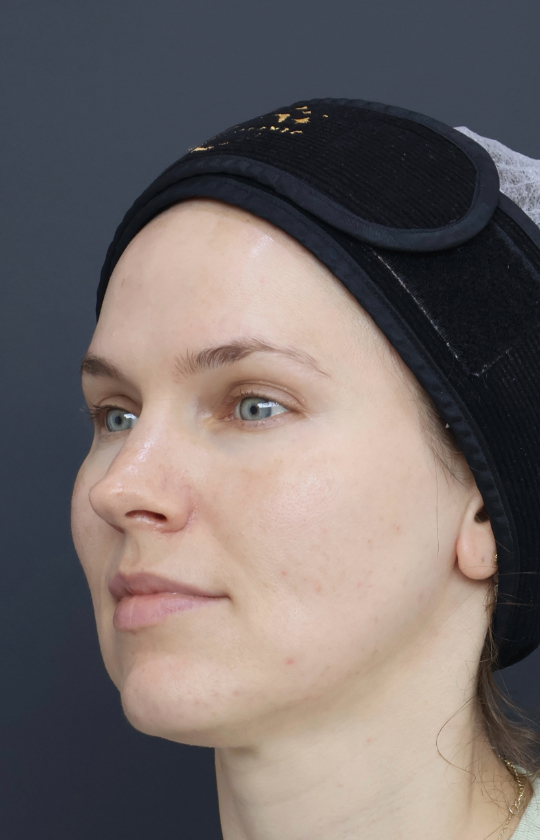
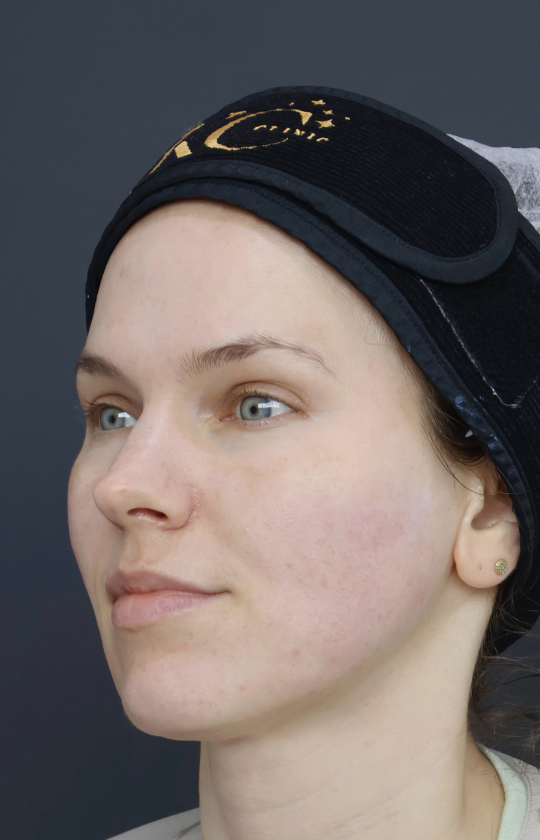
Results may vary with each individual
How Ultherapy Works
The layer doing the sagging is one most people have never heard of: the SMAS, a fibrous sheet beneath the skin that works like scaffolding. When collagen production slows, from our late twenties onward, this scaffolding loosens.
A surgical facelift tightens the SMAS with sutures. Ultherapy reaches the same layer without cutting: focused points of ultrasound heat the tissue until it contracts, tightening it much as a stitch would.
The energy works at three depths, matched to each layer:
- 4.5 mm, the SMAS: the lift itself, including the platysma muscle layer in the neck
- 3.0 mm, the deep dermis: where fresh collagen is built for lasting support
- 1.5 mm, the upper dermis: firmness and fine lines nearer the surface
The same ultrasound behind a pregnancy scan does two jobs here: treating the tissue and showing it live on screen. Ultherapy is the only FDA-cleared non-invasive lifting device with real-time imaging. Your doctor checks the layers on screen before treating, so the energy goes to the right depth and never toward bone or blood vessels.
Over the following weeks, the treated layers rebuild with new collagen and elastin. And because the energy heats tissue water rather than pigment, Ultherapy is safe for all skin tones, including tanned and deeper skin.
What Ultherapy Treats
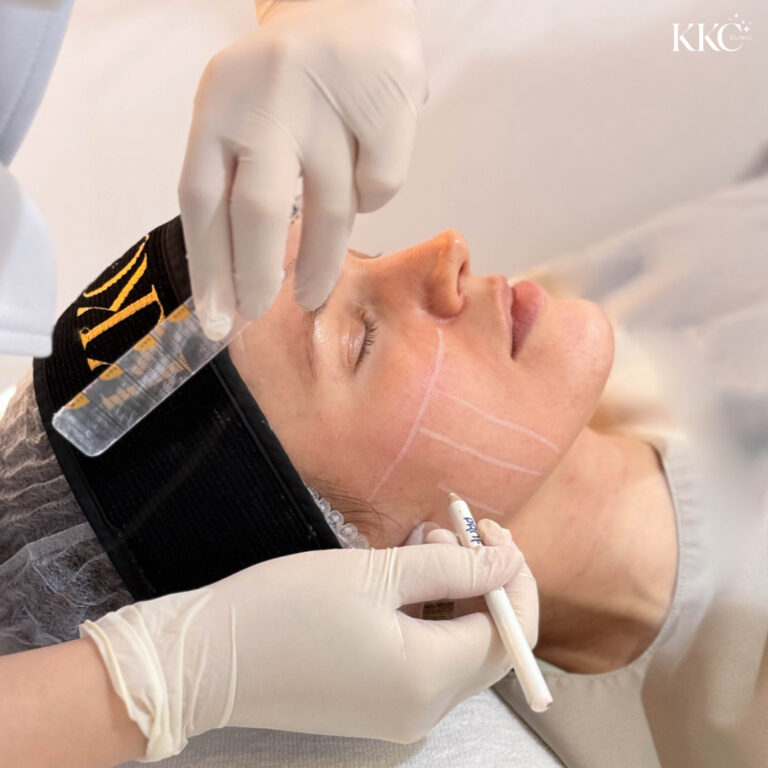
Ultherapy targets five areas, treated on their own or combined in one session:
- Jawline and jowls: early softening along the jaw firms as the SMAS contracts, restoring a cleaner line between face and neck
- Neck: loose or crepey skin under the jaw and down the neck gradually tightens as new collagen builds
- Brow and eyes: a lifted brow opens up the whole eye area; the energy itself is always kept safely away from the eyes
- Under the chin: firmness where loose skin creates mild fullness. A true fat pocket needs a different treatment, and your doctor will say so
- Décolletage: fine lines and crepiness on the chest soften over time
Who Ultherapy Is For (and Who It Isn’t)
Ultherapy suits you if you’re noticing mild to moderate loosening along the jaw, under the chin, or across the neck. Some people start earlier to keep the firmness they still have, an approach sometimes called prejuvenation.
It isn’t right for every concern. Significant sagging with excess skin responds better to a surgical lift. And if your face has lost volume, that usually needs replacing first, because tightening alone can leave it looking more hollow.
There are practical limits too. We don’t treat over active skin conditions, wounds, or infections in the area, and recent injectable treatments can affect timing, so mention them at your consultation.
At the free consultation, your doctor examines your skin and works out which layer is driving what you see. If another treatment would serve you better, that’s what we’ll recommend. You can also see how Ultherapy compares with our other non-surgical treatments before you come in.
Two Generations of Ultherapy

We offer both generations of Ultherapy: the original system and Ultherapy Prime, the current one.
The treatment itself is the same on either machine: same energy, same depths, same expected results. Prime is the newer generation, and it adds three things:
- a sharper, wider live image for your doctor to work from
- sessions that run faster
- a gentler feel, for most people
Standard Ultherapy starts from ฿10,000, Ultherapy Prime from ฿13,000.
What a Session Is Like

Every treatment starts with a free consultation. Your doctor assesses your skin, confirms Ultherapy is the right choice, and maps out which areas to treat.
Getting Ready
Arrive with clean skin if you can; we remove makeup and jewelry from the area either way. The zones to be treated are marked out, and a thin layer of ultrasound gel goes on.
During Treatment
Your doctor checks each layer on the screen before any energy is delivered. Then the applicator moves across the area in slow passes, delivering brief pulses of focused heat. Each one feels warm and tingling for a moment; that sensation is the collagen process starting.
Timing
A single area, like the neck or the brow, usually takes 30 to 45 minutes. A full face and neck runs 60 to 90.
Afterwards
There’s nothing to recover from. Skin may look a little pink at first, and you can go straight back to your day.
Ultherapy Results Over Time
Collagen grows on its own schedule, so the result arrives in stages. Knowing the timeline saves a lot of week-two mirror anxiety.
- Right away: some tightness or mild swelling. Some people mistake this early firmness for the result; it’s mostly the tissue’s first reaction, and it settles.
- Weeks 4 to 6: the first real changes, usually subtle enough that other people notice before you do.
- Months 2 to 3: the visible stage. The jawline looks sharper, and the lower face feels better supported.
- Months 4 to 6: remodeling finishes and the result stabilizes at its peak.
- A year on: results typically hold 12 to 18 months. Most clients book an annual touch-up to stay ahead of new collagen loss.
One session is the norm. Where laxity is more pronounced, your doctor may suggest a follow-up a few months later.
How long the result lasts is partly up to you. Daily sun protection, decent sleep and nutrition, and consistent skincare all extend it. Big weight swings, on the other hand, change facial volume in ways no skin treatment controls.
And a final expectation worth setting: Ultherapy rebuilds support, it doesn’t replace lost volume or match a surgical facelift. The aim is your own face as it looked a few years ago, not someone else’s.
Side Effects and Safety
Ultherapy’s maker, Merz, reports more than 4 million treatments worldwide and a safety record spanning 160+ clinical publications. Side effects exist, but for most people they’re mild:
- redness for a few hours
- mild swelling for a day or two
- tingling or tenderness to the touch, occasionally lasting a few weeks
- small patches of bruising or temporary numbness, less commonly
Aftercare is simple. Protect the area from strong sun, keep skincare gentle, and skip hard exercise for three to five days. We generally don’t ice the area, since the mild warmth in the tissue is part of how the treatment stimulates collagen.
Ultherapy Cost in Bangkok
Ultherapy at KKC Clinic is priced at ฿100 per line, starting from ฿10,000. What you pay depends on the areas you treat and how many lines each needs. A brow needs far fewer than a full face and neck, so it costs far less.
Here’s roughly what each area costs:
| Area | Typical lines | Cost |
|---|---|---|
| Brow & forehead | 100–200 | ฿10,000–20,000 |
| Eye area | 100–300 | ฿10,000–30,000 |
| Lower face & jawline | 200–600 | ฿20,000–60,000 |
| Under-chin | 200–300 | ฿20,000–30,000 |
| Neck | 150–300 | ฿15,000–30,000 |
| Décolletage | 200–300 | ฿20,000–30,000 |
| Full face & neck | 800–1,200 | ฿80,000–120,000 |
These are typical ranges. Your doctor confirms the exact number of lines, and your quote, at the free consultation.
Ultherapy vs Other Lifting Treatments
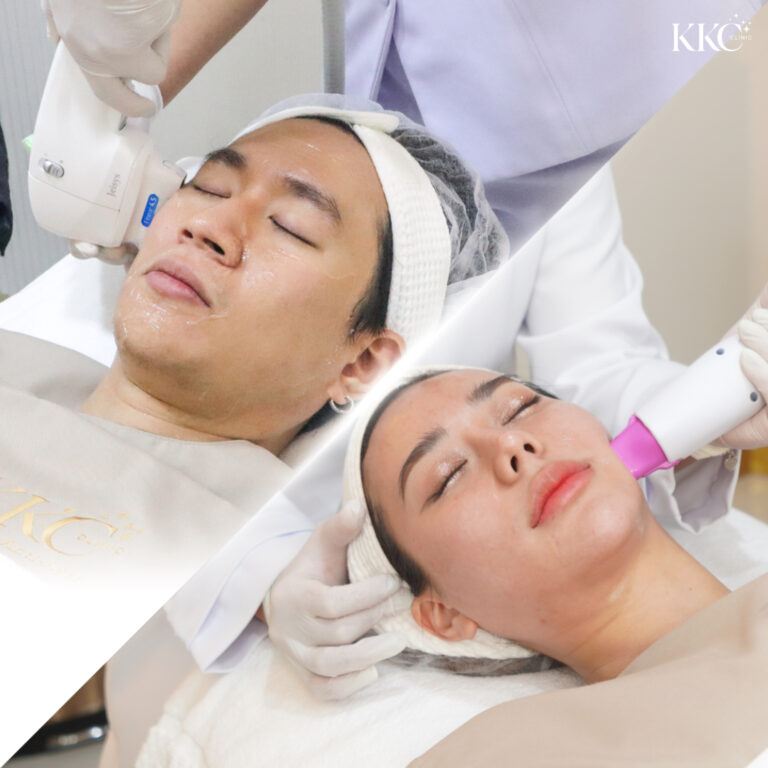
We offer several ways to firm and lift, and they suit different faces. The differences:
HIFU: The same focused-ultrasound family as Ultherapy, and priced by the line too, but a good deal cheaper. The same 400 lines run ฿15,000 with HIFU against ฿40,000 with Ultherapy. What you give up is the live imaging and the clinical evidence base, which is where Ultherapy earns its premium.
Thermage FLX: Radiofrequency rather than ultrasound, heating the dermis broadly rather than lifting the SMAS in points. Think firming and texture more than lift; the two treat different layers and combine well. Thermage starts from ฿35,000.
Thread lift: A mechanical lift using dissolvable threads: faster visible change, but the effect relies on the threads and fades sooner. Ultherapy’s change is slower and biological. A thread lift starts from ฿10,000.
Deciding between Ultherapy and Thermage? Our Thermage vs Ultherapy comparison goes through it properly.
What Pairs Well with Ultherapy
Aging happens in four layers, and each has its own fix:
- Muscle movement creases the surface: anti-wrinkle injections calm it
- Volume loss hollows the cheeks and temples: dermal fillers restore it
- Skin quality dulls and dehydrates: skin boosters rebuild it
- Structure loosens underneath: that’s Ultherapy’s layer
Your doctor’s assessment sorts out which of these layers are actually involved. Sometimes it’s structure alone, and Ultherapy is enough; more often another layer is in play too, and combining treatments gives a fuller result.
Why Choose KKC Clinic for Ultherapy
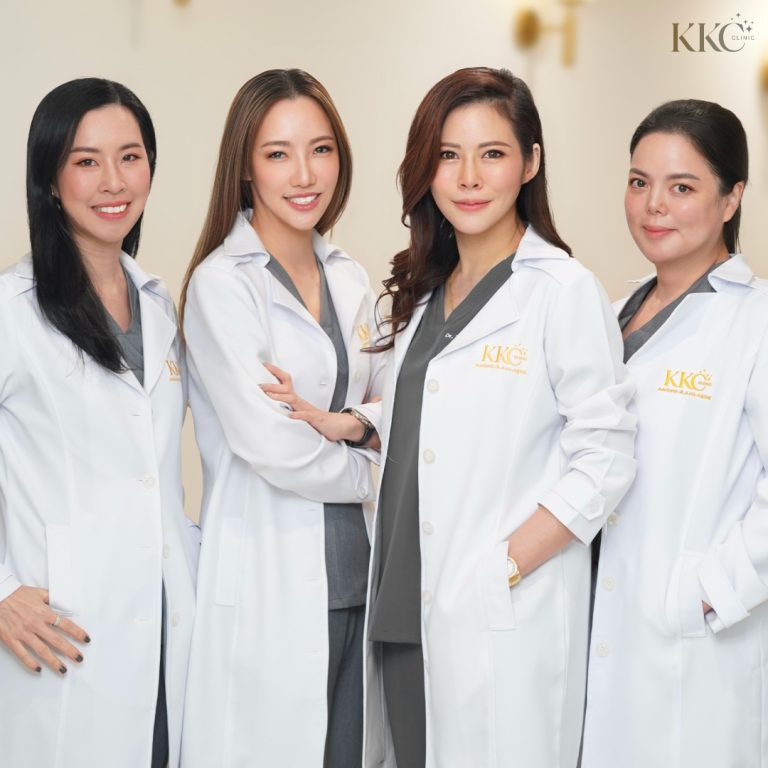
With Ultherapy, the result depends more on the doctor than on the machine. Our doctors are trained on the imaging itself, because placing energy at the right depth decides the result. It decides comfort, too.
The machines matter in one specific way: they’re genuine. Our systems are Merz-made with original sealed transducers, which the device verifies before it will run.
Before any machine is involved, there’s the assessment. Your doctor examines your skin, says honestly whether Ultherapy will help, and quotes what your case actually needs. We have English-speaking doctors, and we operate 6 clinics across Bangkok.
Rated 4.9 out of 5 across 2,300+ reviews.
Frequently Asked Questions
Start with a Free Consultation
Your doctor will examine your skin, explain which layer is behind what you’re seeing, and give you an honest recommendation with an exact quote.