Eyelid Surgery in Bangkok
Remove heavy upper-lid skin or under-eye bags, for a more rested look.

People ask if you slept badly when you slept fine. Your eyes look heavy in photos, and in the mirror after a full night’s rest. When that keeps happening, the cause is usually the eyelids themselves, not how you slept.
We offer upper eyelid surgery, lower eyelid surgery, or both together. Our surgeon examines your eyes, then plans which of these they need.
Upper, Lower or Both
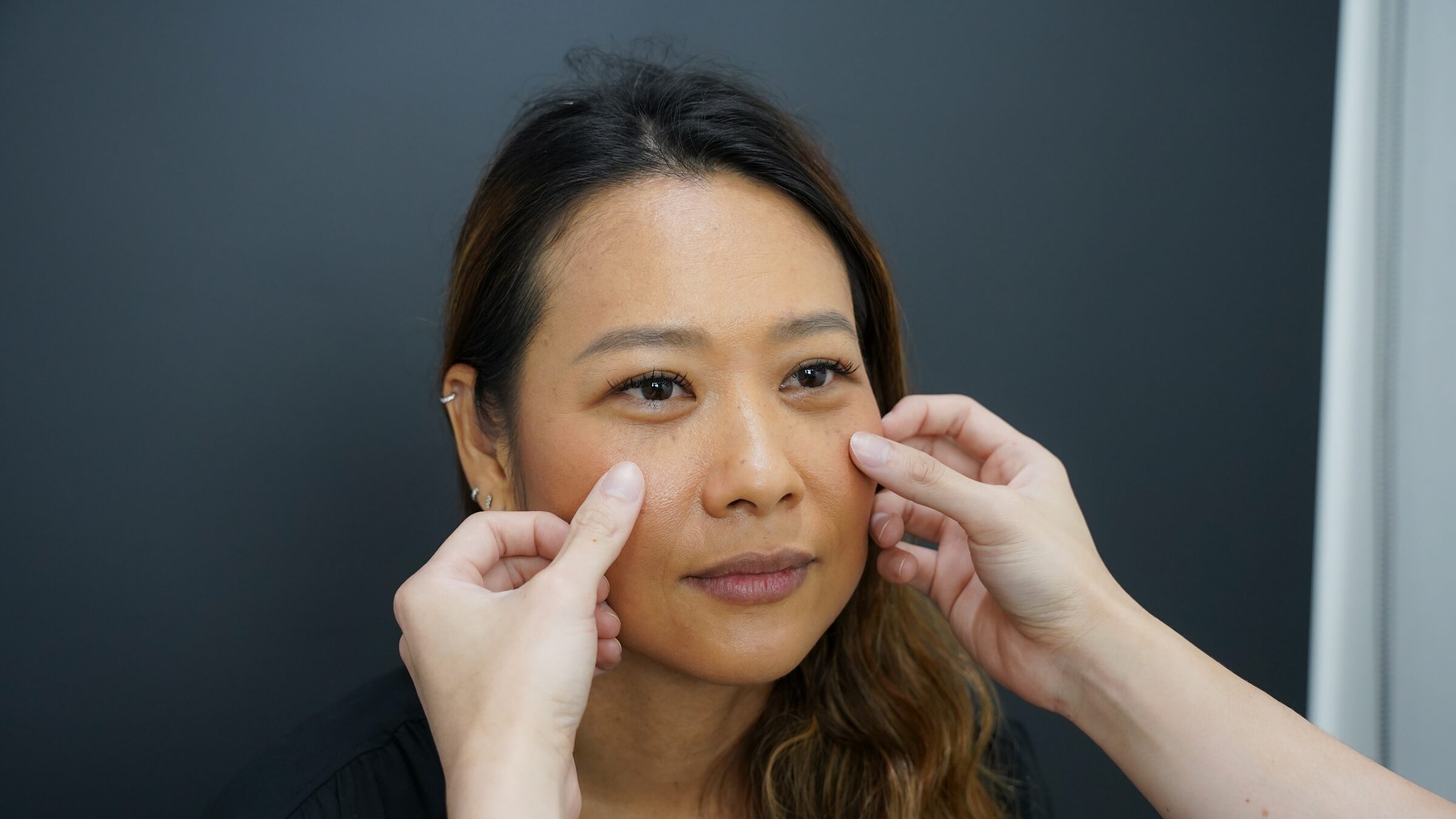
Which surgery you need depends on where the heaviness sits:
- Upper eyelid surgery is for heavy or hooded upper lids, where loose skin folds down over the crease.
- Lower eyelid surgery is for bags under the eyes.
- Both together can be done in one operation.
Your surgeon also looks at three things that can change the plan.
The first is your brow. A low outer brow can cause hooding at the outer corners, so your surgeon checks your brow as well as your lids.
The second is the muscle that lifts the lid. If it has weakened, the lid itself sits low, and that needs a different approach from removing skin.
The third is hollowness. Hollows or dark shadows without a bag may suit under-eye filler rather than surgery, and your doctor explains which fits.
How Eyelid Surgery Works
Eyelid surgery (blepharoplasty) removes or repositions the loose skin and fat that make your lids look heavy. The upper and lower lids are treated in different ways.
For the upper lids, your surgeon makes an incision in the natural crease of the lid. Loose skin is removed, and sometimes a little fat or muscle. The scar sits in the fold.
Bags under the eyes form for a different reason. As the tissues holding the eye’s cushioning fat in place weaken, the fat bulges forward. Bags can run in families, which is why some younger people have them.
Puffiness can also come from fluid retention, allergies, poor sleep, smoking or medical conditions such as thyroid eye disease. Your surgeon checks for these first.
For the lower lids, your surgeon repositions or removes that fat, and sometimes a small amount of skin. The incision is usually inside the lower lid or just below the lashes, and your surgeon chooses the approach for your lids.
The aim is that you look more rested rather than different, with your eye shape kept your own.
What Eyelid Surgery Costs
Eyelid surgery starts from ฿35,000 for the upper or the lower eyelids.
Upper and lower eyelid surgery together is quoted at your assessment, once your surgeon has examined your eyes.
Who Eyelid Surgery Suits
Eyelid surgery suits people whose eyelids make them look older or more tired than they are. That usually means one or more of these:
- Hooded upper lids
- Puffiness
- Bags under the eyes
- Loose lid skin
Good general health matters too, as it does for any operation.
Before planning anything, your surgeon reviews your medical history, including dry eye, glaucoma, thyroid problems, diabetes and any medicines or supplements you take. Your eyes are examined, including how well they make tears, and your brow position is checked at the same visit.
Get a Free Assessment
Tell us what you would like to change and we will email you back to talk through your options before your free consultation.
Prefer to chat? Message us on WhatsApp
Meet Our Eyelid Surgeon

Your eyelid surgery is performed by Dr. Pawalin “Palm” Chuenputhi, MD, Medical Council of Thailand ว.31884. She has 21 years of experience and is board certified in both general surgery and plastic surgery.
She earned her medical degree at Siriraj Hospital, Mahidol University. She has since trained in South Korea, Taiwan and the United States, including an eyelid surgery workshop in Seoul. She also performs facelift and neck lift surgery.
Dr. Palm’s approach to eyelids starts with the structure around the eye: the skin folds, and how the eyelid relates to the brow.
She describes her aim in her own words:
“Good surgery should not change someone’s face. It should restore the confidence that fades over time, so the person looks like themselves at their best, not like a different person.”
Dr. Palm is the surgeon you meet at your consultation.
What Happens on the Day
You have your eyelid surgery at our surgical facility in Ekkamai. It is usually done under a local anesthetic, often with sedation so you are relaxed. Some people have a general anesthetic, and your surgeon advises which suits you.
Before the day, your surgeon goes through the plan with you again: what she is treating, where the incisions sit, and what to expect afterwards. Tell her about every medicine and supplement you take, as some increase bleeding and may need pausing on medical advice. If you smoke, stop several weeks before surgery, as smoking slows healing.
The operation usually takes between about 30 minutes and two and a half hours, depending on how many lids are treated. You go home the same day, so arrange for someone to take you back to where you are staying.
Recovery
For the first week or two, most people look worse than they feel. Bruising and swelling are the visible part, while discomfort is usually mild. So plan those two weeks around how you will look, not how you will feel.
Healing usually follows this pattern:
- First few days: use cold packs and keep your head raised when you rest. Blurry vision from the eye ointment is normal, and you use lubricating eye drops.
- About a week: you come back for your follow-up, when stitches or supporting strips usually come out.
- 10 days to two weeks: most people are back at work, depending on their job, and light exercise is usually fine.
- About two weeks: most bruising has faded, though some can take several weeks.
- About a month: swimming and hard exercise can usually start again.
- Over the following months: scars may look pink and feel tight at first, and they keep fading for up to a year. Protect them from the sun.
Glasses, contact lenses and makeup come back in stages:
- Glasses: most people can wear them soon after surgery, as long as they rest lightly.
- Contact lenses: after about two weeks.
- Eye makeup: after about two to four weeks, once your surgeon says the wounds have healed.
Contact us straight away, day or night, if one eye swells or bulges more than the other or the pain becomes severe. Do the same if bleeding does not stop or your vision changes. Chest pain or shortness of breath needs emergency help at once.
Coming to Bangkok for Surgery
Plan on at least 7 to 10 days in Bangkok, and longer if you have lower-lid or combined surgery. That covers your follow-up, when stitches usually come out, and the first days of healing, when your surgeon wants you close by. On a long flight home, drink water and get up to move around regularly, and tell your surgeon beforehand about any history of blood clots.
Once you are home, follow-up carries on by video at about 30, 60 and 120 days. If you have a problem at home, our doctor writes a surgical report for your local doctor. You can also message your original consultant at any time, 24 hours a day, on the same channel you used to book.
Risks
Eyelid surgery is surgery, and surgery carries risks you should know about before you decide. Most of the common effects settle as your lids heal. The serious ones are rare.
- Common and temporary: swelling and bruising; dry, gritty or watery eyes (eye drops help); swelling of the surface of the eye, especially after lower-lid surgery, which usually settles within weeks; numb eyelids; difficulty closing the eyes fully for a short time.
- Scars: every incision leaves one, and eyelid scars fade over the following months.
- Less often: blurred or double vision; one side looking different from the other; an upper lid sitting slightly lower than before; infection; a lower lid that sits slightly away from the eye while it heals; needing a further operation.
- Rarely: bleeding behind the eye, which can threaten sight and needs emergency treatment; injury to the eye muscles; a lower lid that turns outward and needs further surgery; blood clots or a reaction to the anesthetic.
Your surgeon goes through each of these with you at your consultation, so you know what to look for while you heal.
Eyelid Surgery or a Non-Surgical Treatment
Surgery is what removes loose skin and bags. For milder changes around the eyes, a non-surgical treatment may fit better:
- Hollows or shadows under the eyes: under-eye filler
- Lines at the outer corners of the eyes: anti-wrinkle injections
- A slightly low brow: Ultherapy, which can give it a small lift
- Fine wrinkles around the eyes: Thermage
You do not need to work out which applies before you come. Your doctor can tell you at your consultation which one fits.
Choosing a Clinic for Eyelid Surgery in Thailand
Whichever clinic you are considering, four things are worth checking before you commit. Here is how each one looks at KKC Clinic:
- Who will operate: Dr. Pawalin “Palm” Chuenputhi, MD, Medical Council of Thailand ว.31884.
- Where the operation takes place: our surgical facility in Ekkamai.
- What the quoted price covers: your surgeon gives you a full quote at your consultation, so you know the cost before you commit.
- How follow-up works once you fly home: by video at about 30, 60 and 120 days, with your consultant a message away.
Frequently Asked Questions
Start with a Free Consultation
At your free consultation, Dr. Palm looks at your eyelids and brow, tells you which surgery fits and gives you the price. It costs nothing and commits you to nothing.